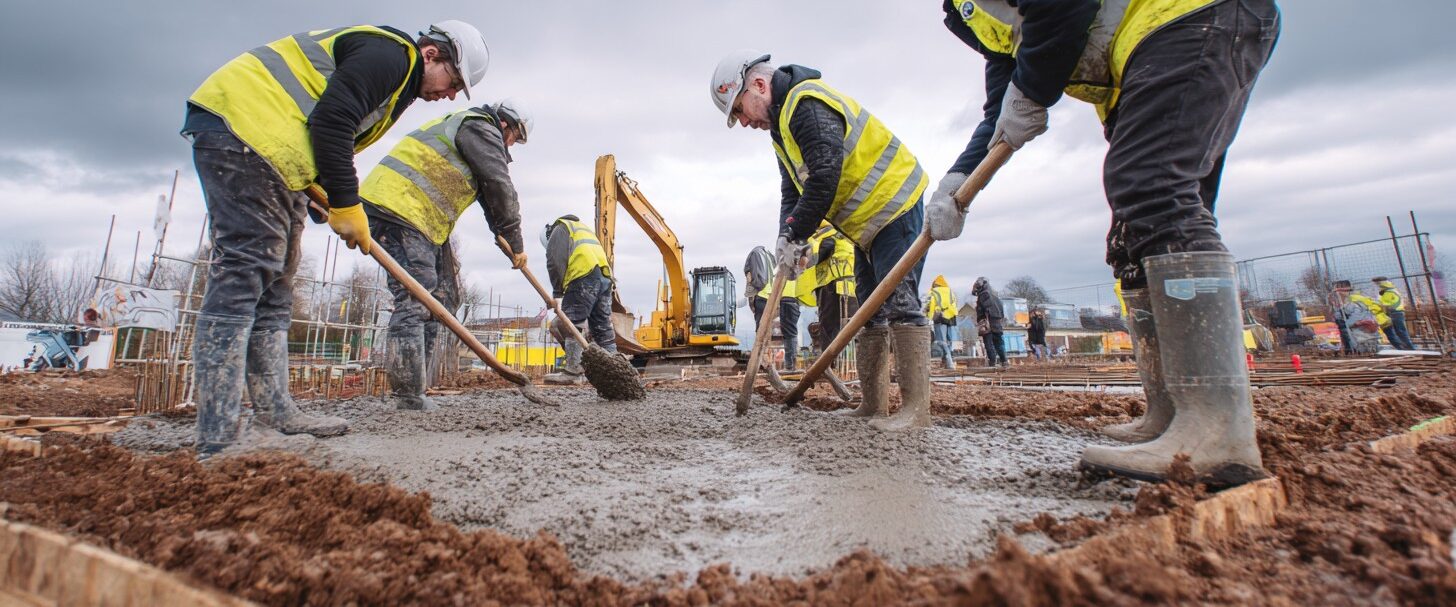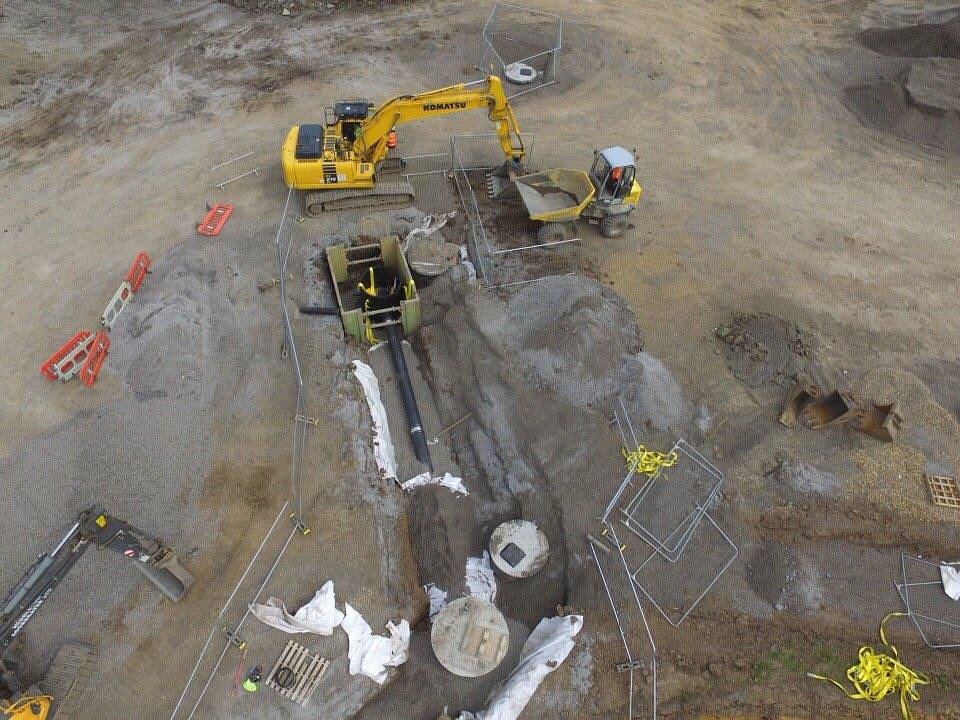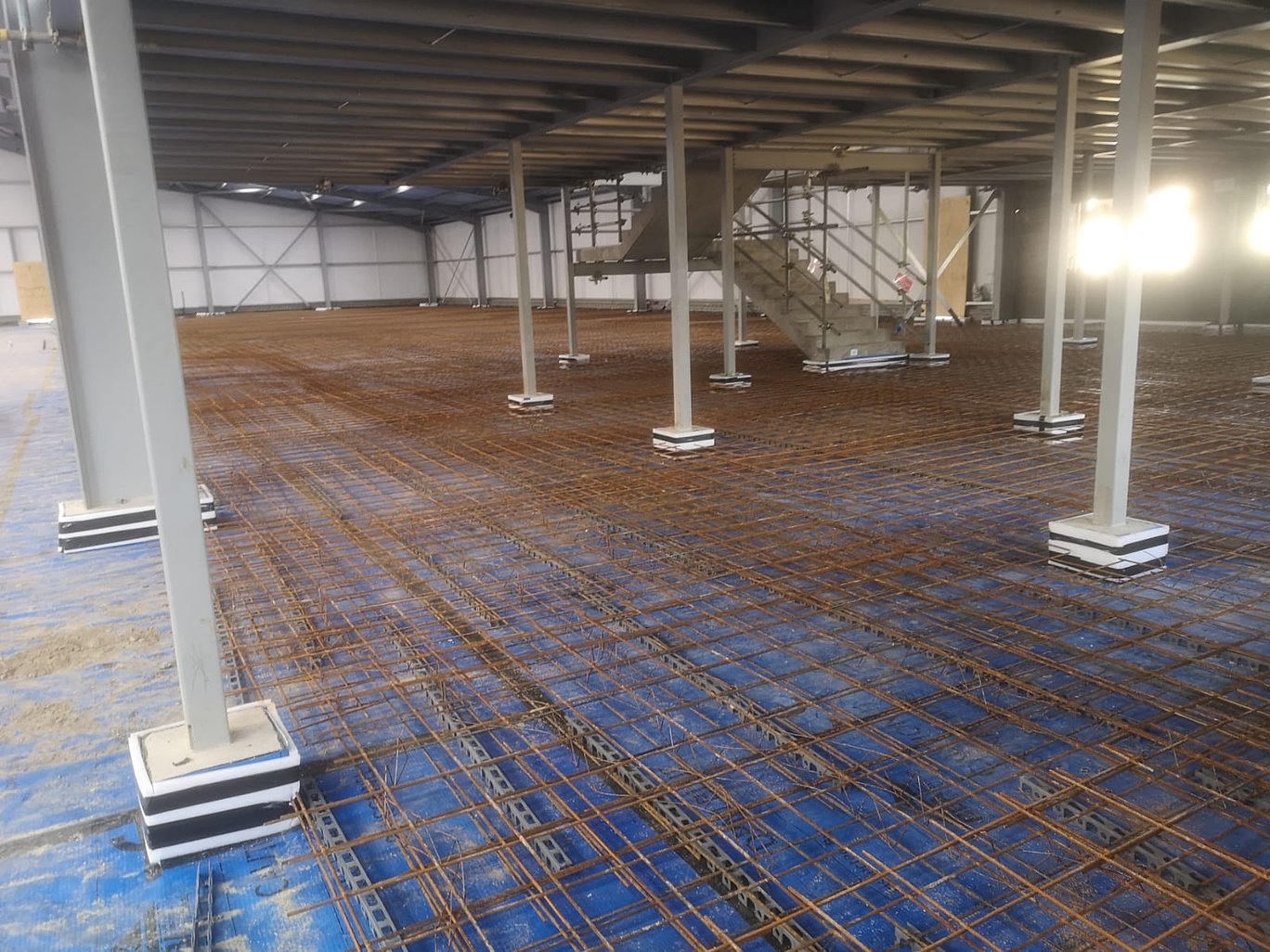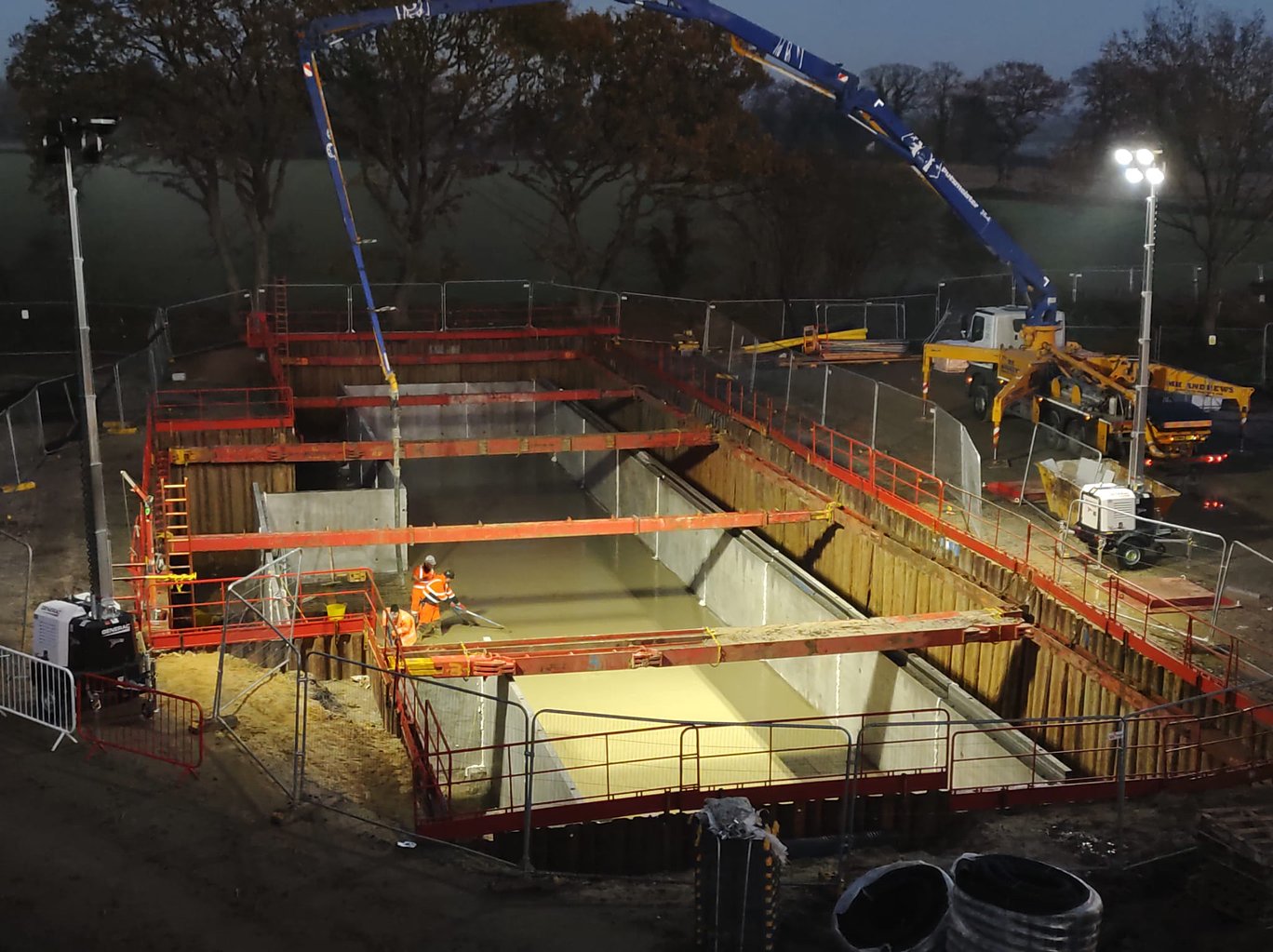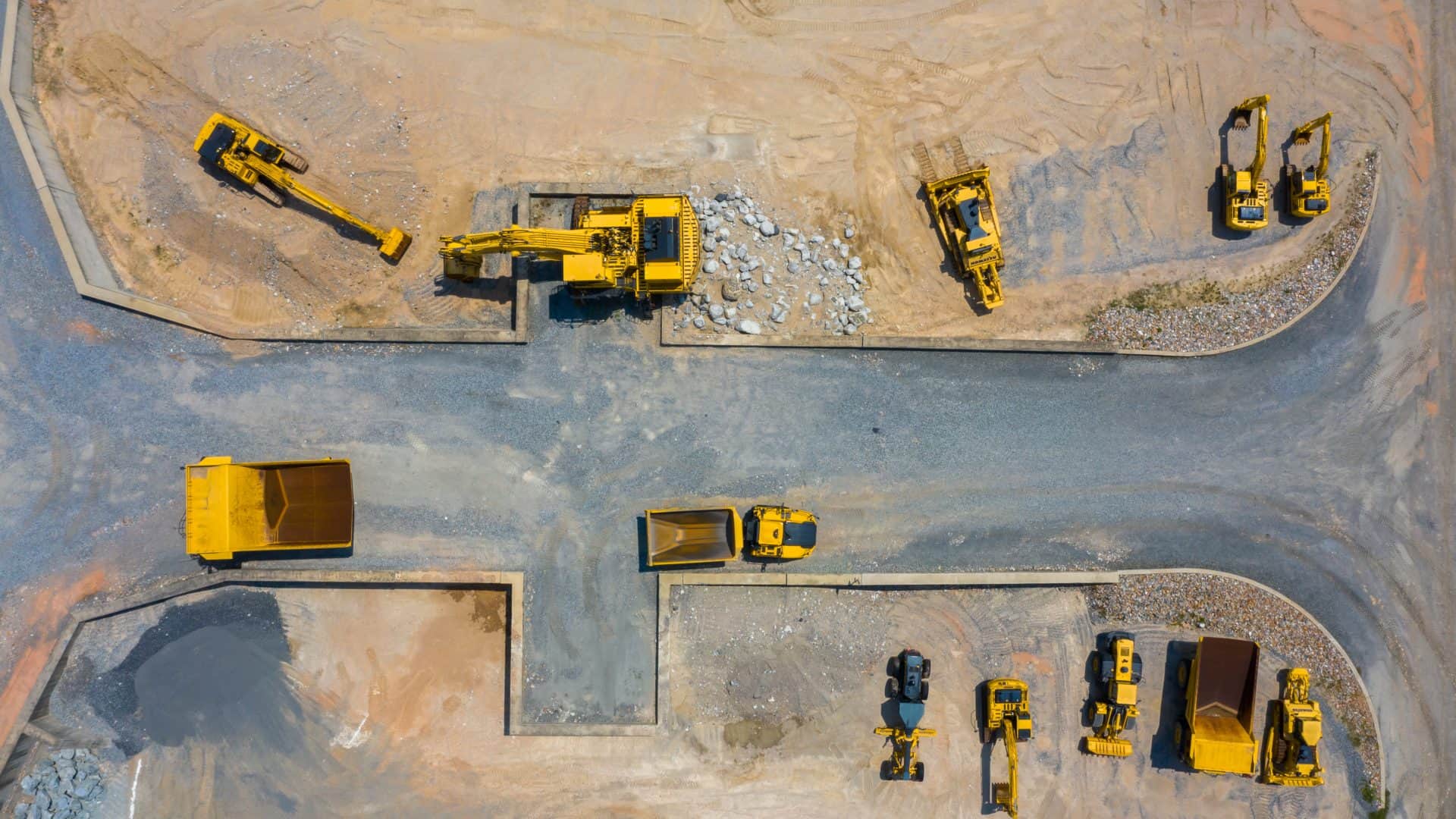
When a groundworks contractor turns up on site, the plant they bring with them says a lot about how they work. Undersized equipment slows the programme. Oversized machines cause damage to formations, adjacent structures, and access routes. The wrong plant for the ground conditions creates safety risks and quality problems that show up later in the build. At Globe Civil Engineering, plant selection is something we take seriously on every project — because getting it right from day one protects the programme, the budget, and the work that follows us.
Matching Plant to the Project
Every site is different. A large residential development with open plots and good access calls for different plant to a tight urban regeneration scheme with restricted working space, overhead constraints, and existing services to protect. Before we mobilise, we assess the site thoroughly — ground conditions, topography, access routes, adjacent structures, phasing requirements, and material volumes — and select our plant accordingly.
This isn’t just about having the right size of excavator. It’s about understanding how that machine will interact with the rest of the site programme. An excavator that’s too heavy for the ground conditions can compromise the formation it’s supposed to be preparing. A dumper that’s too large for the site roads creates congestion that slows every other trade. Getting the plant mix right means the whole site runs more smoothly.
Ground Conditions Drive Equipment Decisions
Soil conditions across East Anglia and the wider Southeast — the regions GCE primarily works in — vary considerably. Cambridge’s chalk geology behaves very differently to the heavier clay soils found across parts of Essex and Hertfordshire, or the made ground common on regeneration sites. Our team assesses ground conditions early and selects plant that suits the specific conditions on that site.
Where ground conditions are weak or variable, we plan accordingly — whether that’s specifying lighter plant to protect the formation, carrying out ground improvement works before main excavation, or phasing the programme to allow ground to stabilise between operations. These are decisions that need to be made by an experienced groundworks contractor, not discovered on site when things start going wrong.
Equipment for Multi-Phase Residential Developments
On large phased residential schemes, plant requirements change as the project progresses. The early earthworks phase typically requires heavy excavation and bulk earthmoving plant. As the development moves into infrastructure installation — roads, sewers, drainage — the plant mix shifts. Later phases often involve lighter, more manoeuvrable machines working in tighter completed areas.
GCE manages plant across phases, scaling up and down as the programme demands rather than leaving heavy plant standing idle or trying to do fine grading work with machines that aren’t suited to it. This flexibility keeps plant costs proportionate to the work being done and means we’re not creating programme problems by having the wrong equipment on site at the wrong time.
Working Alongside Other Trades
On most residential developments, GCE is working alongside other contractors — scaffold, roofing, brickwork, and mechanical and electrical trades all have their own plant and access requirements. Our plant planning accounts for this. We coordinate delivery and positioning of plant with the principal contractor’s programme so that we’re not blocking access routes, conflicting with crane positions, or creating congestion that affects other trades.
As part of the wider Globe Group, we’re used to working in close coordination with sister companies Globe Cambridge Scaffolding and Globe Roofing on shared sites. That familiarity with multi-trade coordination means our plant operation doesn’t become someone else’s problem.
Operator Competence and Safety
Every operative working GCE plant holds the relevant CPCS or NPORS certification for the machine they’re operating. Plant safety on a construction site is non-negotiable — an incorrectly operated excavator near live services, adjacent structures, or other workers creates risks that no programme pressure justifies.
Our plant operators are experienced in groundworks for residential and commercial construction, which means they understand not just how to operate the machine safely, but how to use it in a way that protects the formation, avoids damage to adjacent works, and produces the quality of finished earthworks that the next trade needs.
If you’re planning a residential development or commercial groundworks project and want to discuss plant requirements and programme, contact the Globe Civil Engineering team today.