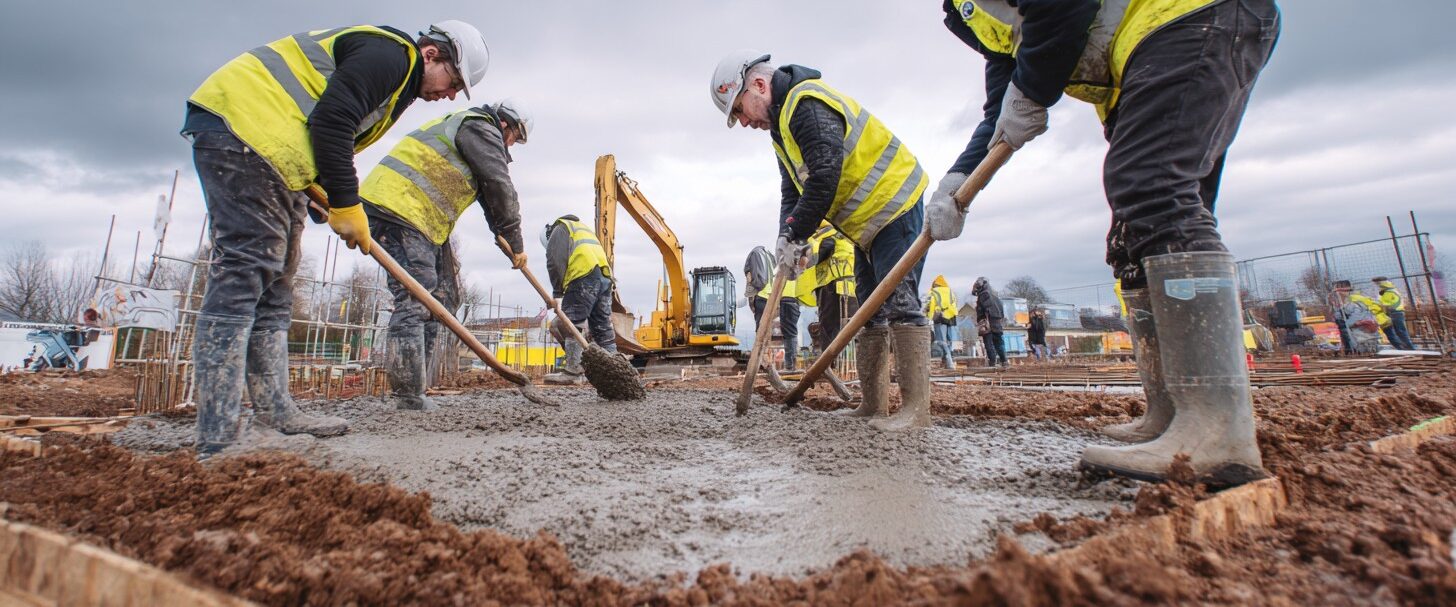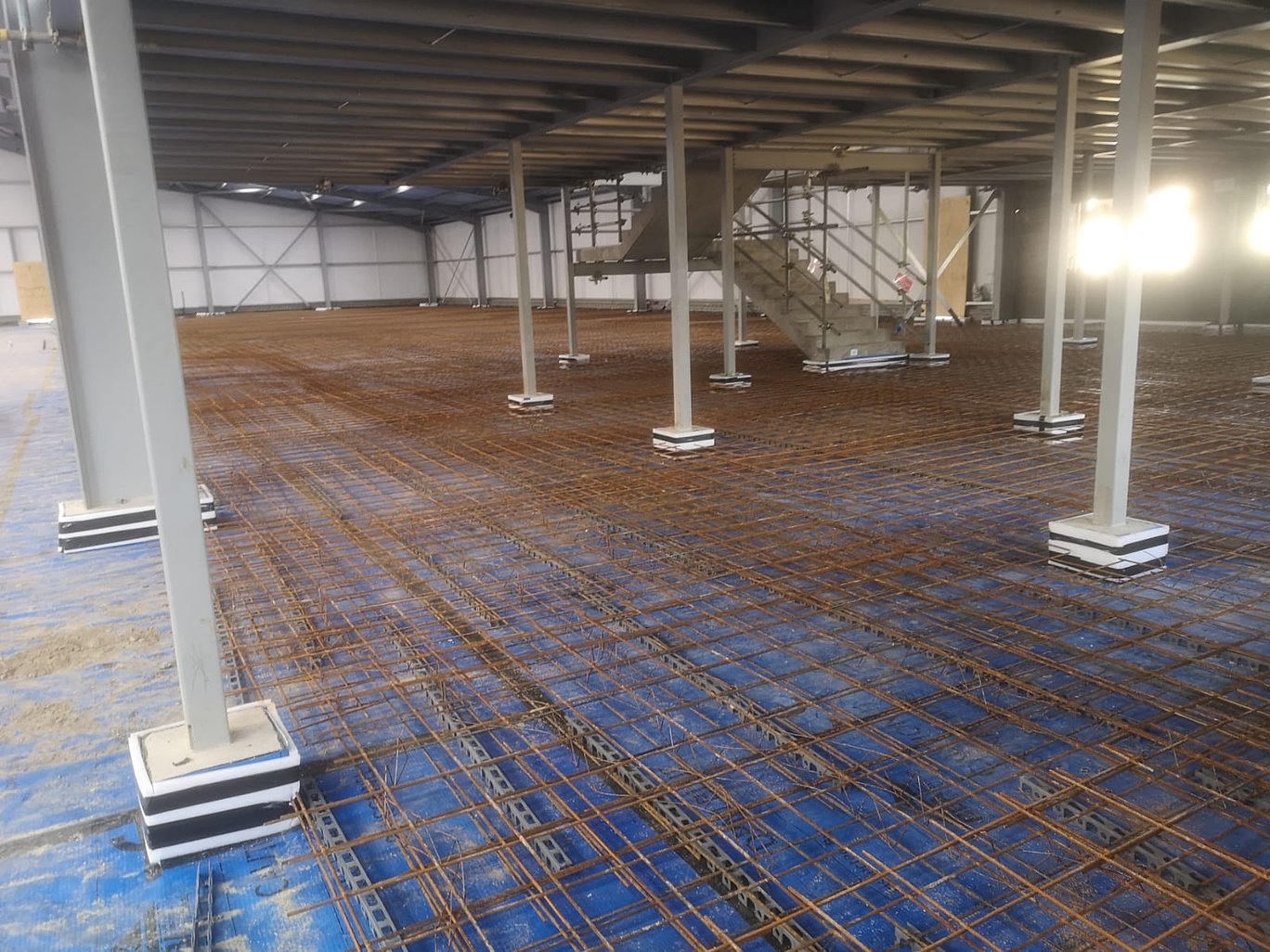
On a housing development, the decisions made in the weeks and months before any plant arrives on site shape the cost, programme, and risk profile of the entire scheme. By the time the groundworks contractor mobilises, much of the design is fixed, the programme is set, and the commercial structure is locked in. Engaging the groundworks contractor at pre-construction stage — before these decisions are finalised — gives the developer the chance to use the contractor’s delivery experience to refine the plan rather than just execute it.
GCE’s position in the project lifecycle
GCE is the earliest-engaged division within the Globe Group. Groundworks is the first physical activity on a housing site, and the contractor responsible for it is typically engaged before the contractors responsible for later packages — scaffold, roofing, fall protection, and finishes. This timing is not just procedural. It places the groundworks contractor in a position to influence decisions that affect every package downstream.
On schemes where GCE is engaged early, the business contributes input on access strategy, ground condition assessment, drainage and services routing, temporary works requirements, and programme sequencing — all of which feed into the wider scheme plan that the principal contractor and the rest of the supply chain will work to.
Ground condition assessment
Ground conditions are the variable that most often disrupts housing programmes. A scheme designed against an assumed ground profile that turns out to differ on the ground generates redesign, rework, and programme slippage. Pre-construction ground investigation reduces this risk, but the value of the investigation depends on how it is interpreted and what the contractor does with the findings.
On East Anglian sites in particular, ground conditions vary considerably across short distances. Chalk, clay, made ground, and shallow water tables can all appear within a single development footprint. GCE’s regional experience with these conditions means the business can review ground investigation reports against actual delivery implications — what plant will be required, what sequencing is feasible, what muck-away and material reuse strategy makes sense, and what risk premium needs to be carried in the cost plan.
Sequencing and access
On a multi-phase housing development, the sequence of groundworks across the site shapes everything that follows. The order in which plots are made ready determines when scaffold can mobilise on which plots, which in turn determines when roofing can begin, which determines when handover can occur. Sequencing decisions made without input from the groundworks contractor often turn out to be impractical when the work begins, forcing mid-programme adjustment.
Early GCE involvement means sequencing is reviewed against the practical realities of plant access, material delivery, muck-away routing, and weather windows. The resulting programme is one that can actually be delivered, not one that looks coherent on paper but breaks down in execution.
Roads and sewers planning
Roads and sewers works are typically among the most programme-sensitive elements of a housing scheme because they often need to be in place before plot construction can proceed at scale, and they involve highways adoption processes that have their own external timelines. Pre-construction planning of section 38 and section 104 routes, in coordination with the local highways authority and water company, requires lead time and accurate documentation.
GCE’s experience with adoption processes means the business can identify potential adoption issues in design at pre-construction stage rather than during delivery. This is meaningful: an adoption issue identified before construction begins can usually be designed out. The same issue identified during construction typically requires expensive rework.
Temporary works at pre-construction stage
Temporary works requirements — earthworks support, dewatering, traffic management, hoarding — need to be identified and designed at pre-construction stage to avoid being added late to the cost plan and the programme. A groundworks contractor engaged early can identify these requirements against the actual site conditions and the proposed sequence of works, allowing the developer to plan and budget for them properly.
Temporary works added retrospectively are almost always more expensive and more disruptive than temporary works planned from the outset. Early engagement allows them to be planned from the outset.
CDM 2015 alignment
The CDM 2015 framework explicitly anticipates contractor involvement at pre-construction stage. The principal designer is required to consider buildability and constructability in design, and contractor input supports this directly. Early GCE engagement contributes to the principal designer’s CDM duties while also serving the developer’s commercial interests — the two goals are aligned.
The benefit downstream
Early GCE involvement does not just benefit the groundworks package. Because GCE is the first division in the Globe Group’s project lifecycle sequence, decisions made during pre-construction influence the conditions under which Globe Cambridge mobilises scaffold, Globe Roofing closes the building envelope, and Red Safety Netting deploys fall protection. A scheme that is well-planned at groundworks stage is a scheme that runs better through every package that follows.
Talk to GCE about pre-construction engagement
To discuss early GCE involvement on your forthcoming scheme, contact us on 01223 890727 or email enquiries@theglobegroup.co.uk.