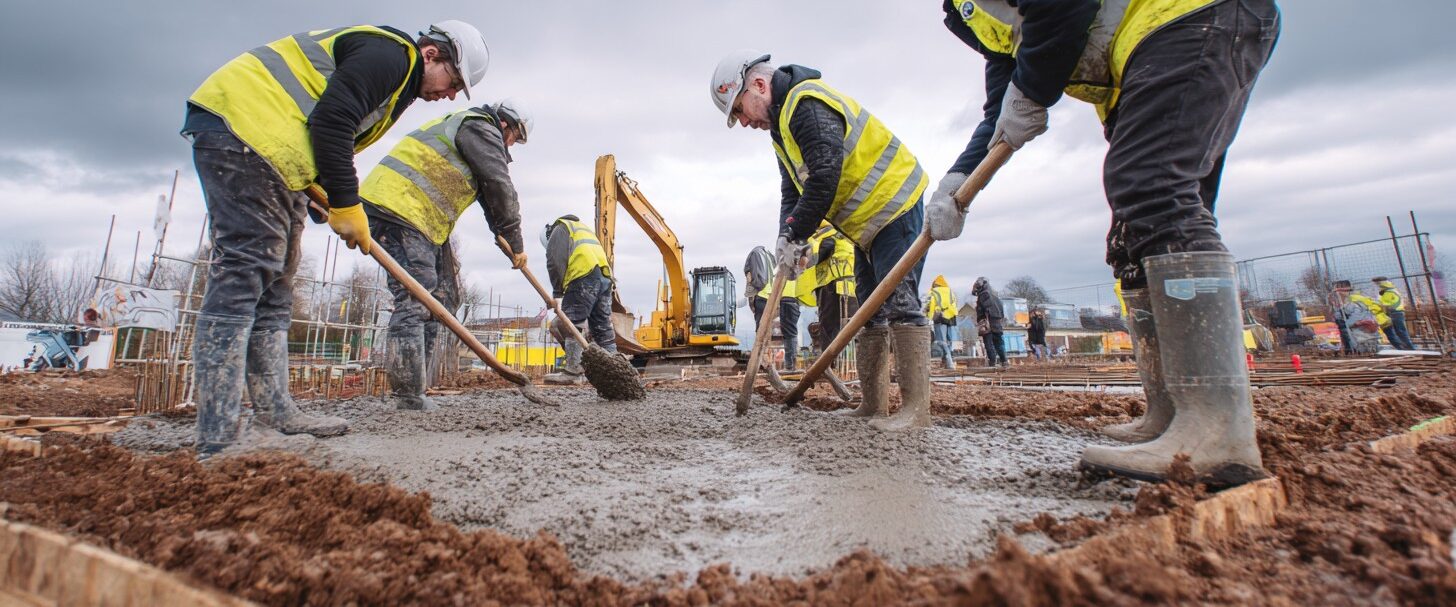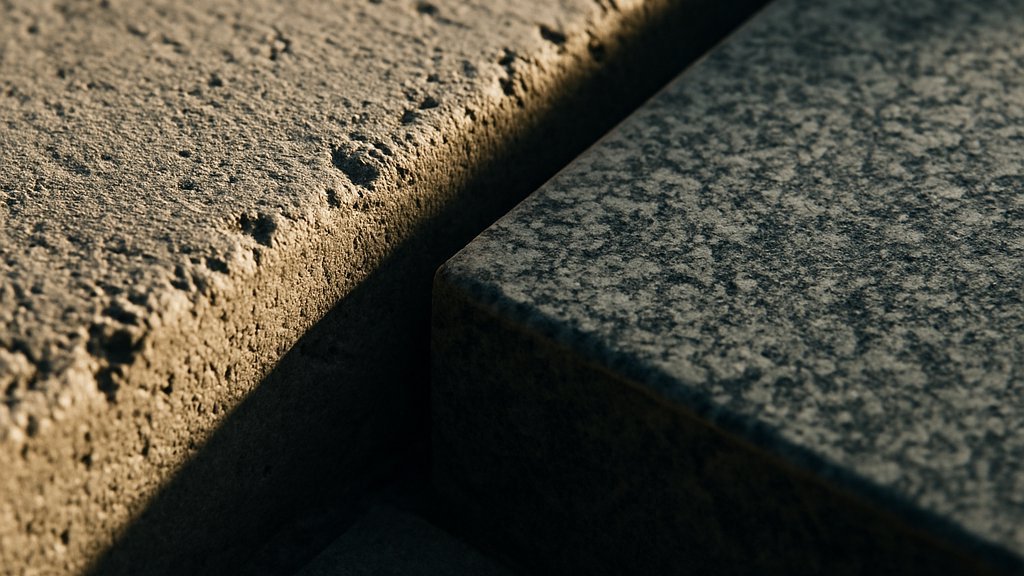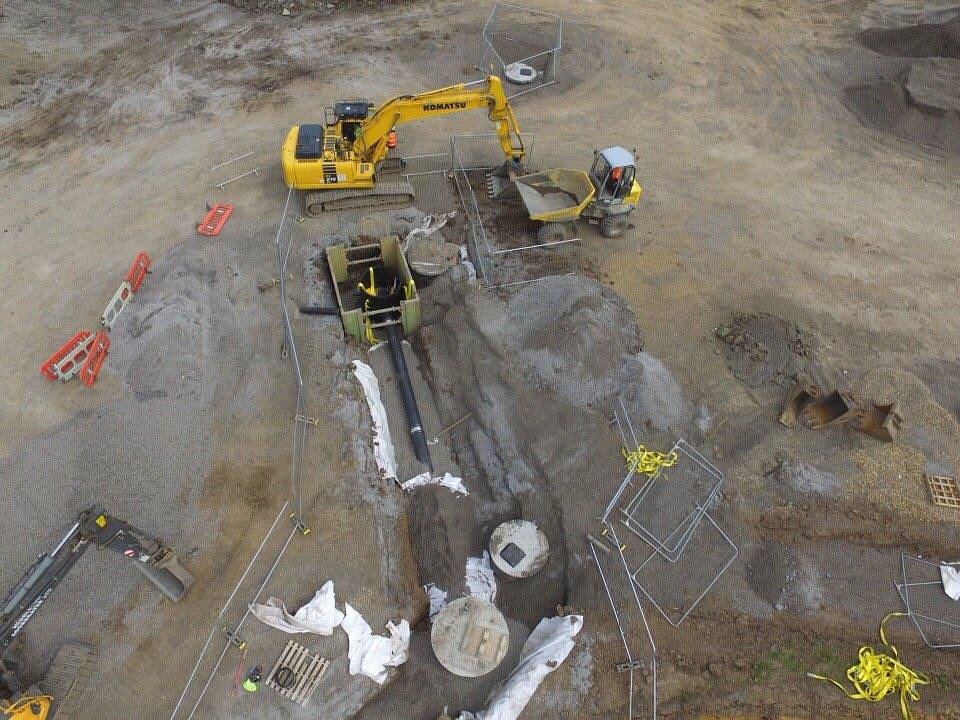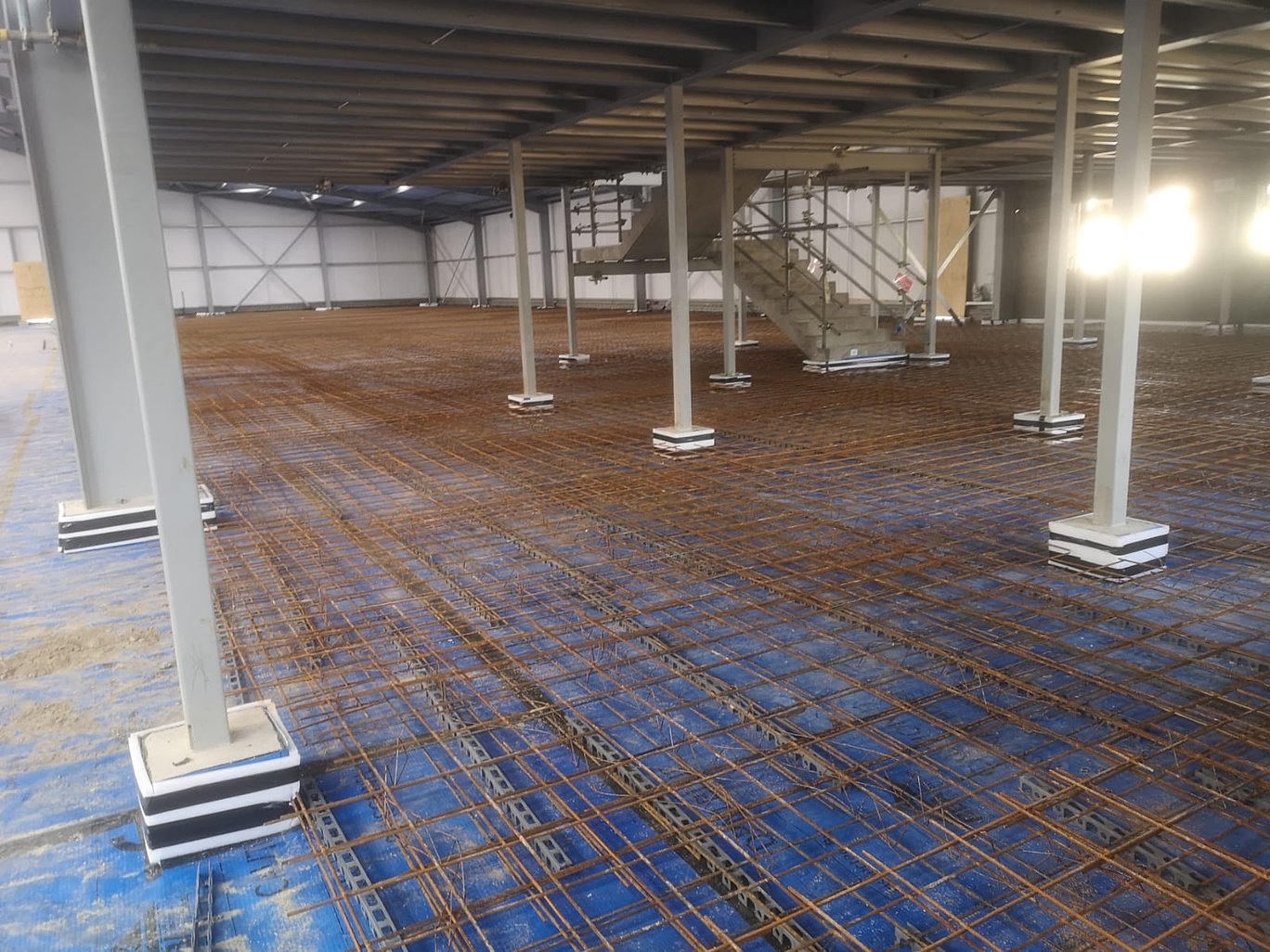
Ground conditions are the largest single source of cost variance on most groundworks packages. The cost of working in soft alluvial clay differs materially from the cost of working in chalk. The cost of trafficking plant across London clay differs from the cost of trafficking across well-drained gravels. The cost of forming foundations against shrinkable soils differs from the cost of forming the same foundations against stable strata. None of this is exotic. All of it has cost implications that need to be reflected in the budget from the outset.
The Cambridge and East Anglia region in which the Globe Group operates the most sites shows particular ground variability. Chalk and chalk marl across much of Cambridgeshire requires very different excavation and foundation methods from the gault and Oxford clays found in lower areas. Sites in central and south London face the well-known issues of London clay, particularly shrink-swell behaviour and the need for deep foundations on heavy structures. Sites at the chalk and clay interface have to manage both behaviours simultaneously.
For developers and QSs preparing a cost plan, the implication is that the ground investigation report cannot be treated as a compliance document. It is the single most important input to groundworks budgeting and to programme risk. Where the ground investigation is thin, the budget being prepared against it is, by definition, more speculative than it appears.
Globe Civil Engineering’s approach to early-stage groundworks pricing therefore starts with the GI report, but does not stop there. Where the report is unclear, additional investigation is recommended before final pricing is offered. Where regional experience suggests a known issue that the report has not identified, this is flagged before contract. The objective is to produce a price that survives contact with the actual ground, not a price that simply wins the tender.
The most common pricing mistakes on groundworks packages reflect specific ground conditions. Foundation depth assumptions made on the basis of bearing capacity rather than shrinkability lead to underpriced foundations on shrink-swell clays. Excavation rates priced for typical conditions can be wildly wrong in chalk, where the rate at which the material can be removed varies hugely with weathering grade and water content. Stockpile management priced for well-drained granular fills can fail in clay-dominated sites, where material exposed to rain becomes difficult to reuse without further processing.
Working through each of these requires the groundworks contractor to be honest at pricing stage about what the ground will demand. A contractor that prices defensively against unknown ground conditions provides a budget that does not move. A contractor that prices optimistically against unknown ground conditions provides a budget that moves significantly, almost always upwards, once the work starts.
There is also a sequencing implication. Ground conditions affect not just unit rates but the order in which work can be done. Foundations in clay subject to shrinkage from extended drying may need to be poured promptly after excavation. Excavations in chalk may need to be covered to avoid weathering of the formation. Granular fill compaction may need to be staged to allow for water content adjustment. Each of these is a sequencing decision that has to be planned, not improvised.
Globe Civil Engineering treats ground condition planning as a continuous discipline through the package, not a pre-construction exercise. As actual conditions are encountered, the team adjusts. Where conditions are worse than the GI suggested, the principal contractor and developer are informed early, with a costed view of the implications, rather than at the moment a programme slip becomes visible.
There is also a value engineering opportunity that is often missed. Where ground conditions are more favourable than the GI suggested, the same discipline can identify opportunities to reduce foundation depth or eliminate ground improvement measures. Few contractors raise these opportunities of their own accord. The savings, where the conditions allow, can be material.
For developers, the practical message is that the right groundworks contractor is the one whose understanding of the specific ground conditions is built into the pricing rather than the one whose pricing assumes a generic baseline. The ground does not change to match the budget. The budget has to be set against the ground.
Talk to Globe Civil Engineering To discuss ground-condition risk on your scheme on your scheme, contact Globe Civil Engineering on 01223 890727 or email enquiries@theglobegroup.co.uk.