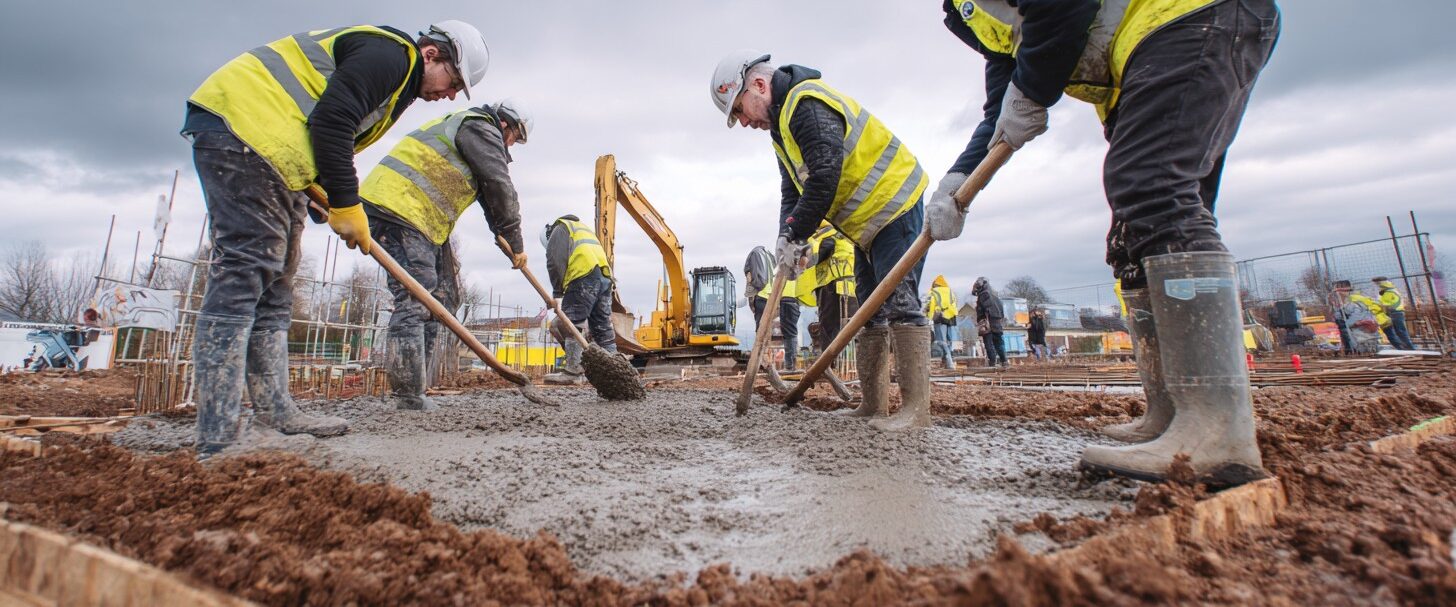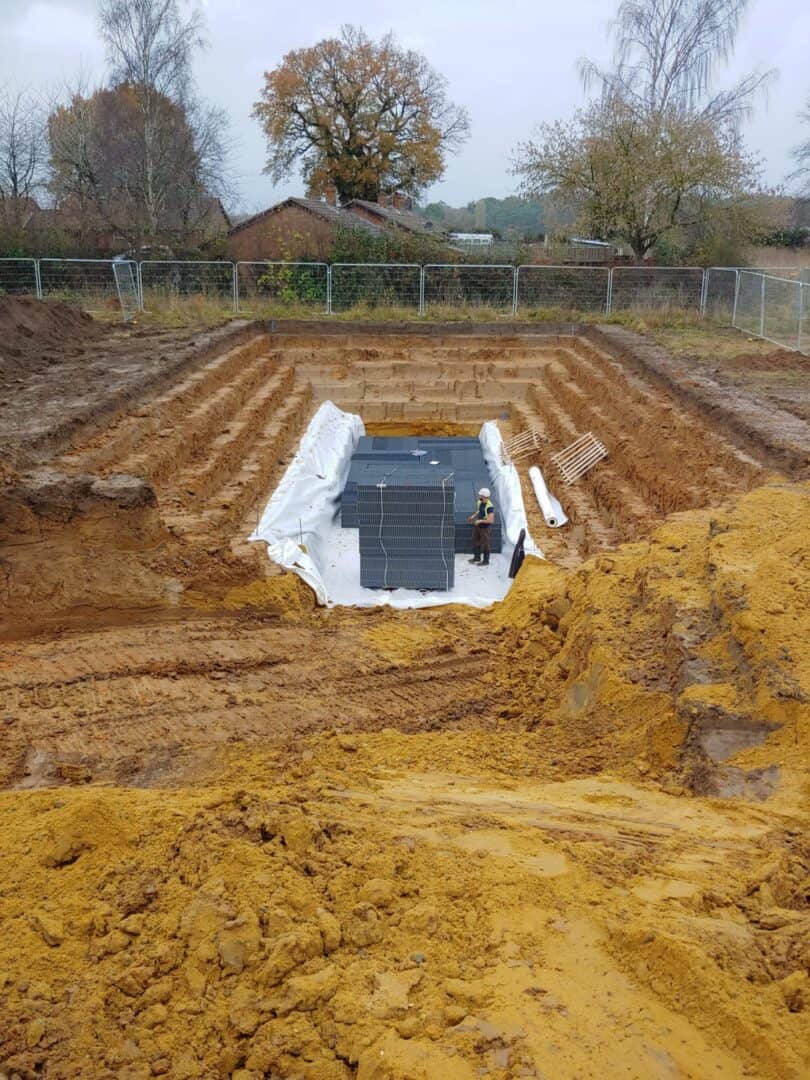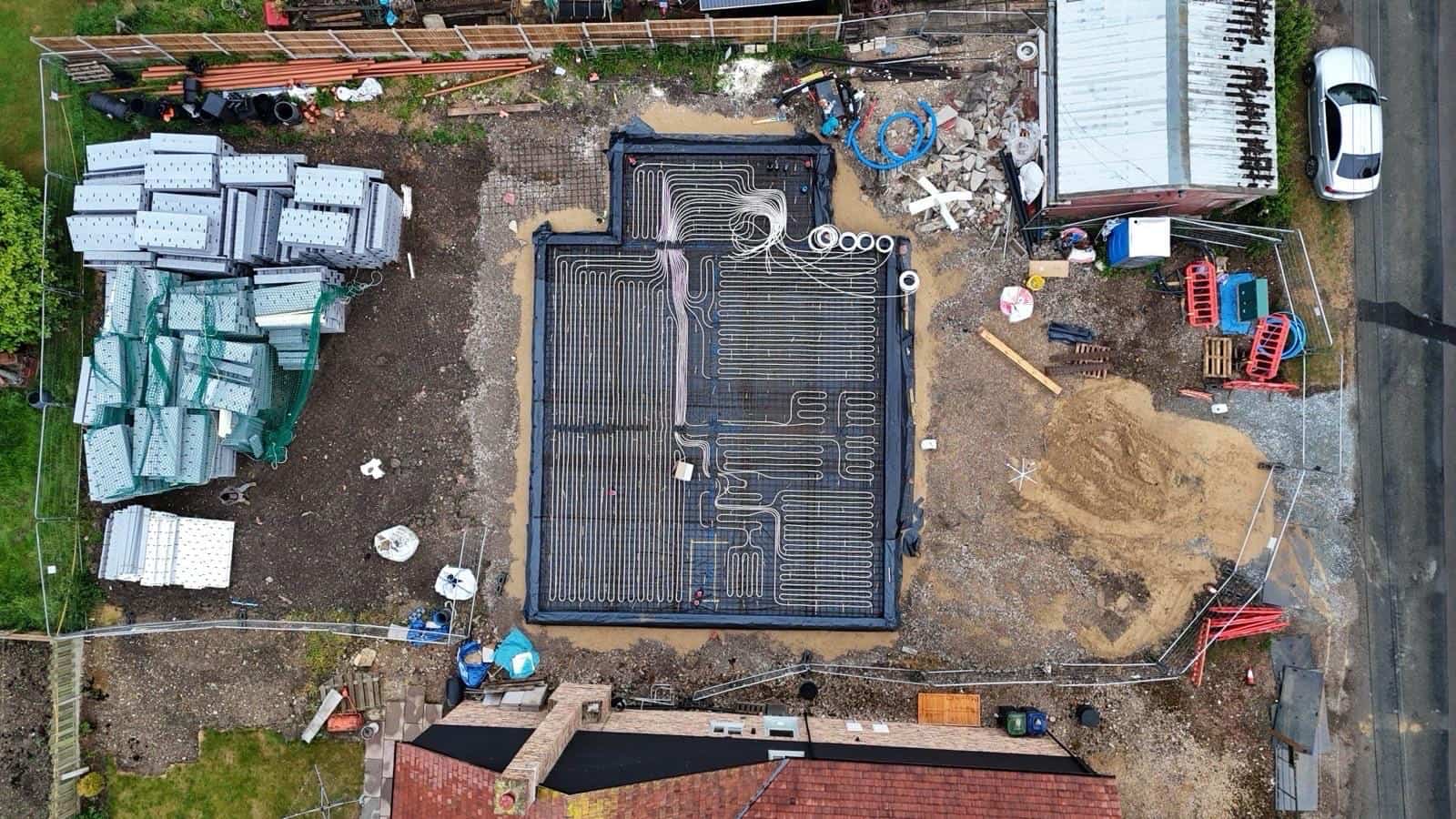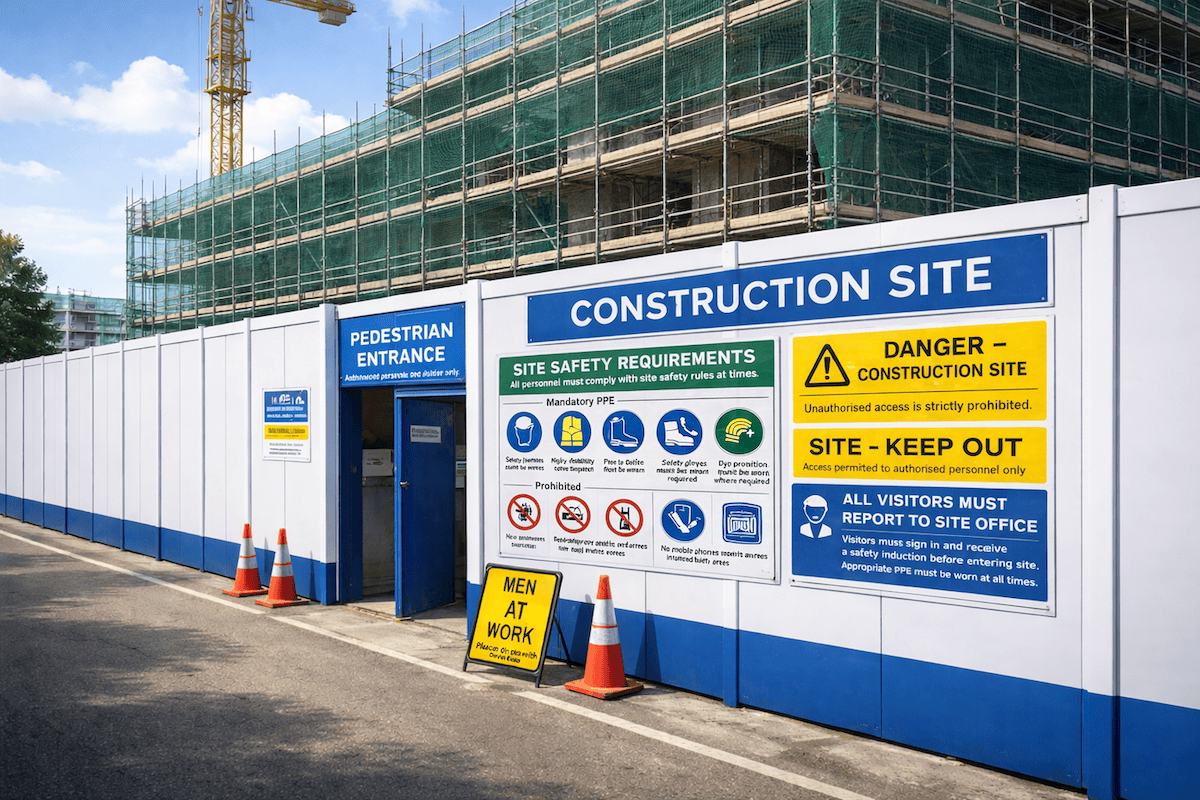
Just as you plan each activity, a clear method statement tells you how to manage risks and deliver works safely, providing clear hazard controls and sequencing for high-risk tasks such as working near live services or at height; it gives you legal and contractual clarity so responsibilities and compliance are explicit, and it drives improved efficiency and quality by standardising processes and reducing delays, helping you protect your workforce, the public and the project programme.
The role of method statements in civil engineering
Method statements translate design intent into controlled site actions, laying out step-by-step sequences, plant, materials and control measures for high-risk activities. They give you the auditable record required under the CDM Regulations 2015 so you can demonstrate a safe system of work. For example, a piling campaign will list site probes, contamination controls, lifting plans and monitoring, helping you avoid delays, reduce rework and support permit-to-work compliance.
Regulatory, contractual and compliance context
Within the regulatory framework, method statements act as evidence for enforcement bodies and insurers; you must align them with CDM Regulations 2015 and the Health and Safety at Work Act, and with contract forms such as NEC or JCT where procedures are contractually required. Failure to follow approved methods can lead to stop-work notices, contractual breach, delays to retention release and exposed insurance liabilities.
Communication with clients, contractors and site teams
Method statements become your primary briefing document: you use them in pre-start meetings, daily toolbox talks and weekly coordination sessions to align sequencing, access and interfaces. Include named responsibilities and expected durations (for example, 4–6 hours for traffic-management set-up) so teams act consistently. Flag high-risk tasks and critical handovers to prevent misunderstandings and unsafe work.
Provide practical aids: attach annotated drawings, stepwise photos and a simple risk matrix rating likelihood and consequence (1–5) so you can prioritise controls. Use versioned PDFs or a shared platform (BIM, Procore) so everyone has the latest copy; on a 50-house development link method statements to the programme and log sign-off to demonstrate competence. Emphasise a single point of contact and signed handovers for hazardous shifts.
Key components of a clear method statement
You should expect a method statement to set out scope, hazards, controls, sequence, plant, materials, permits and responsibilities; simple tasks often span 1–5 pages, complex projects 10–30 pages. For a concise overview consult What Is a Method Statement & Why Are They Important? Clear tables, drawings and sign-off fields reduce misinterpretation on site.
Risk assessment, control measures and safety procedures
You must identify hazards — e.g. asbestos, buried services or working at height — then apply the hierarchy of control: eliminate, substitute, engineer, administer, PPE. Typical measures include exclusion zones of 1.2–2.0 metres, shoring for trenches and edge protection, plus daily atmospheric monitoring in confined spaces. Emergency procedures should name rescue teams, equipment and contact numbers, with drills logged and lessons acted on.
Work sequence, resources, permits and responsibilities
You should break tasks into step-by-step sequences with estimated durations, plant allocations and named responsibilities: e.g. mobilisation (Day 0), excavation (Day 1–3), install (Day 4–7), reinstatement (Day 8–10). Specify permits such as Confined Space Permit and electrical isolation where applicable. Assign one nominated supervisor per shift and record competence certificates for operators and plant.
For example, on a 10-day drainage install you might list resources: 2 excavators (8-tonne) and 6 operatives plus a CSCS-carded supervisor; permits required may include Confined Space (where applicable) and electrical isolation; responsibilities include the site manager controlling permits, the supervisor running daily toolbox talks, and the plant operator completing pre-start checks and a daily log — this level of detail reduces delays and unsafe work.
Benefits to project delivery and site safety
Clear method statements give you a single, actionable reference that aligns design, programme and site teams; projects using them typically report fewer variations and faster handovers. For example, main contractors on urban utilities works cut unforeseen stoppages by around 30% when method statements defined traffic management, access and temporary works controls. You gain better traceability for audits, clearer induction for subcontractors and a measurable reduction in safety-related delays that otherwise inflate costs and extend the programme.
Reduced incidents, improved supervision and auditability
When your method statements specify controls for hazardous activities — confined space entry, live electrical work, deep excavations — incident rates fall and supervision becomes straightforward. A regional contractor’s internal audit showed a 35% drop in reportable incidents after mandating standardised method statements and daily briefings; near-miss logging rose, enabling targeted training. You therefore strengthen permit-to-work compliance, simplify toolbox talks and create an auditable trail for regulators and insurers.
Time, cost and quality assurance through predictable execution
By defining sequences, tolerances and acceptance criteria you reduce rework and variability: teams following clear method statements have achieved 10–15% tighter programme adherence on concreting and piling operations. You minimise idle plant hours, lower labour churn at critical interfaces and reduce interim snag lists; a 2019 municipal drainage upgrade reported a 12% saving against contingency after rigorous method-statement-led sequencing controlled access and dewatering.
Delving deeper, your method statements drive predictable resource levelling and procurement lead times by fixing durations and interfaces — critical-path tasks like formwork removal or service diversions become measurable. Use checklists, hold-points and photographed sign-offs to eliminate subjective quality calls; projects that combined method statements with weekly KPI dashboards cut rework by up to 20% and delivered clearer claims defence when variations occurred, protecting both margin and reputation.
Implementing and standardising method statements
When you implement and standardise method statements, enforce a single template library, clear ownership and consistent language across projects; for example, a London contractor cut on-site incidents by 30% and reduced preparation time by 40% after rollout. Make sure your process links to sector guidance via Why are method statements important in construction? Maintain a single source of truth that is easy to access and auditable.
Templates, training and roles for consistent preparation
Use templates that cover common operations so your teams complete roughly 80% of statements from pre-filled sections. Run a two-hour workshop for supervisors plus a short competency test, and assign a named author and reviewer for each statement; this reduces ambiguity and shortens drafting time. Provide operatives with pocket guidance cards to reinforce critical controls on site.
Version control, approval workflows and site briefings
Implement cloud-based version control with sequential numbering and require electronic sign-off within 48 hours to prevent multiple competing drafts. Route approvals to SHEQ and the site manager and trigger auto-notifications to stakeholders. Hold a 10–15 minute site briefing before work starts using the latest statement, since outdated documents can lead to unsafe work.
Deploy QR codes on drawings and plant that link to the live statement so operatives always access the current version and you retain an immutable audit trail for compliance. Require signatures and timestamps for approvals, keep records for five years, and use a dashboard to flag expired permits. In one 150-person refurbishment, centralised version control halved document queries and cut rework by 25%, demonstrating clear operational benefit.
Common pitfalls and how to avoid them
You will often see accidents or delays traceable to unclear method statements, poor version control and weak enforcement; for example, when one large contractor standardised templates and introduced weekly reviews they reduced site non-conformances by around 35%. Apply concise headings, clear sequencing and assign a single owner per statement so your teams follow consistent instructions, and use digital distribution plus signed briefings to ensure every operative receives the latest, site-specific controls.
Ambiguity, excessive detail or missing site-specific adaptations
When your method statement is vague or overlong operatives skip to the parts they think apply, creating hazards; for instance, generic lifting instructions that ignore a 2.5-metre drop or local services can lead to incorrect sequencing. Keep your text site-specific, limit steps to what crews need to act, and use clear diagrams and single-line responsibilities so your team can immediately identify safety controls and permit limits.
Failure to review, update or enforce method statements
If you do not review and update statements after design changes, weather events or subcontractor shifts, your site can continue operating under outdated controls, increasing risk and rework. Enforce version control, require supervisor sign-off at handover, and integrate method checks into daily briefings so your teams only work from current, approved documents and you can demonstrate compliance during inspections.
Practical measures you should adopt include assigning one owner per method statement, implementing digital versioning with timestamps, and scheduling reviews at each design milestone and weekly on active sites; update statements within 24 hours of a change, conduct monthly audits and record toolbox talk attendance to keep enforcement auditable and effective.
To wrap up
Now you understand that clear method statements protect your workforce, streamline approvals and reduce risk by setting out safe, sequenced tasks; they demonstrate compliance to stakeholders and aid training. When you align design, resources and contingencies in concise statements you improve efficiency and site safety — see practical guidance at Construction Safety & Method Statements.