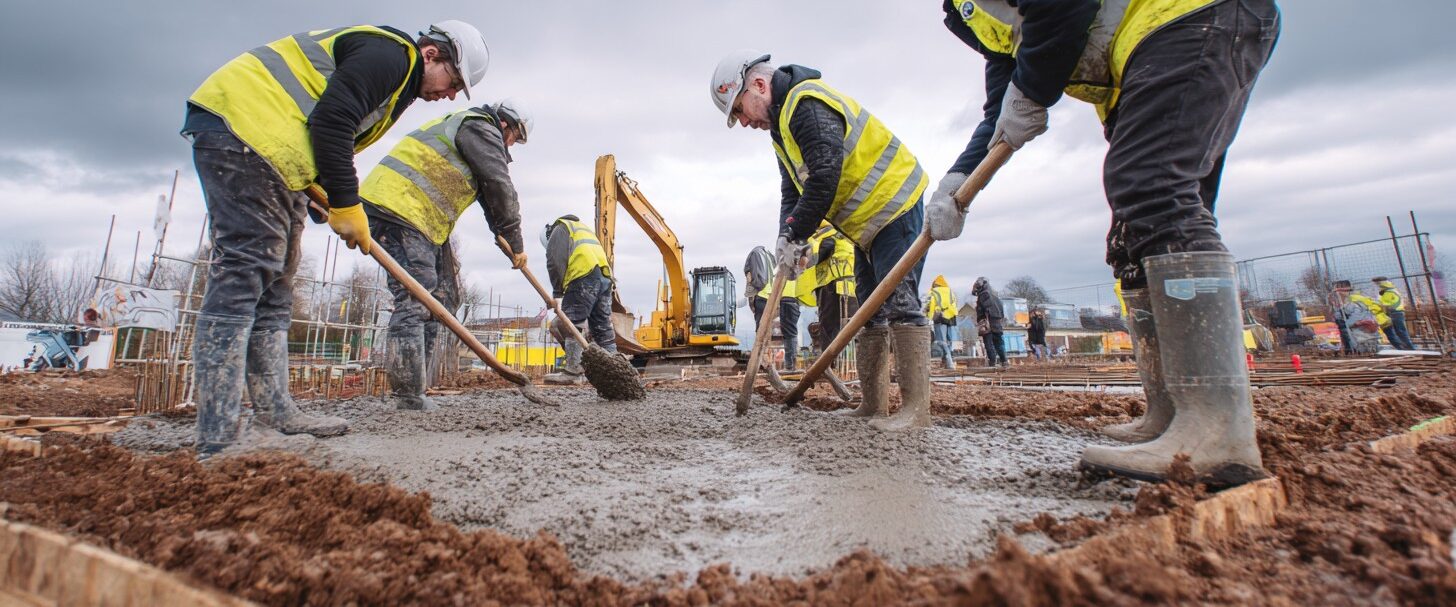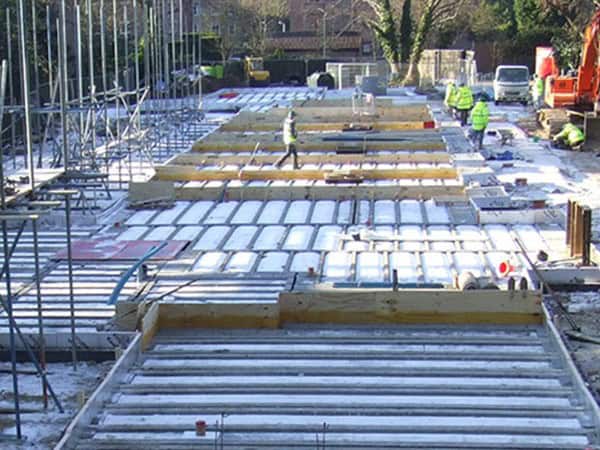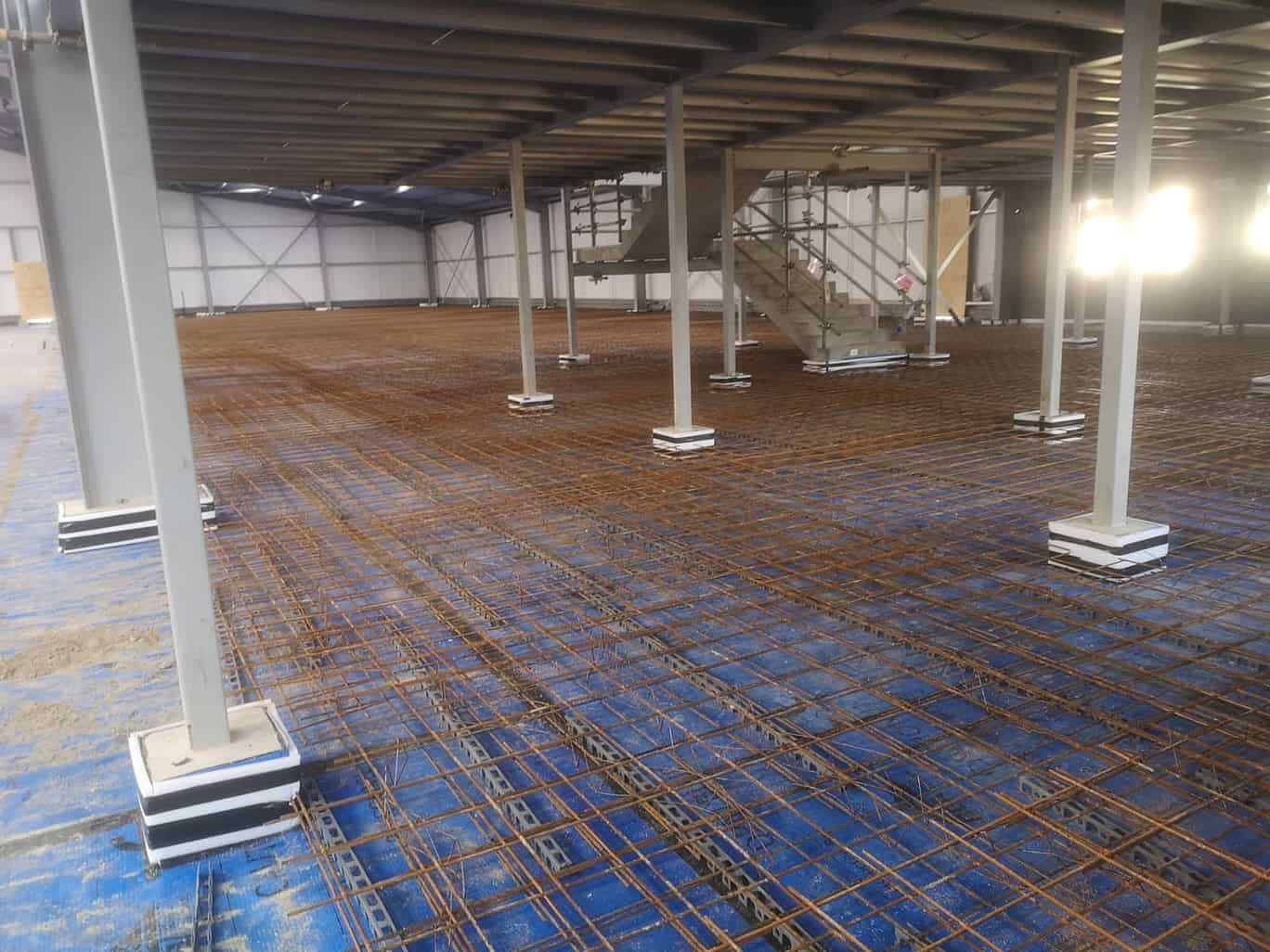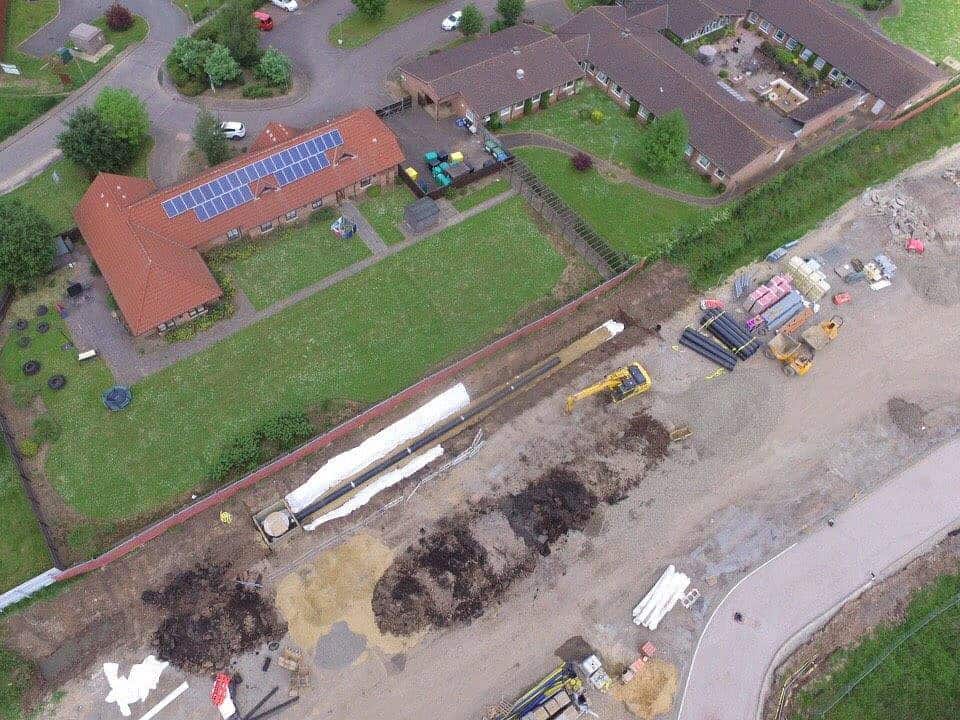
Temporary works don’t make the headlines when they go right. They make the headlines — and generate HSE investigations, programme delays, and significant costs — when they go wrong. For any groundworks contractor working on residential developments, commercial sites, or infrastructure projects, the safe design, installation, and management of temporary works is a fundamental part of delivering the job professionally.
At Globe Civil Engineering, temporary works management is built into how we plan and execute every project, not treated as an afterthought once excavation has started.
What We Mean by Temporary Works
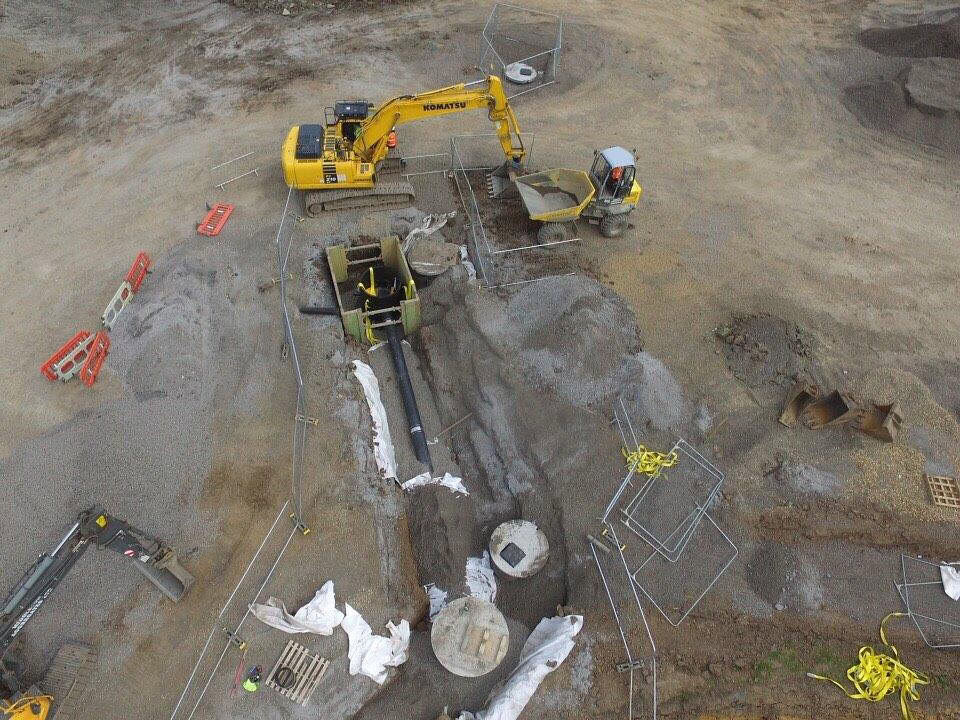
In the context of groundworks, temporary works typically means the structures and systems put in place to make construction activities safe — trench support and shoring during excavation, earthwork retention to protect adjacent structures and services, temporary drainage during construction, and working platforms for plant operating on soft or variable ground.
These structures are temporary by definition, but the consequences of their failure are not. A trench collapse on a live site is a serious incident. An unsupported excavation adjacent to an existing building or highway can cause structural damage that far exceeds the cost of the groundworks package itself. Getting temporary works right is not optional — it’s a legal requirement and a basic professional responsibility.
CDM Compliance and Appointed Responsibility
Under the Construction Design and Management Regulations 2015, temporary works carry specific duties for designers, principal contractors, and contractors. On projects where GCE acts as a subcontractor, we work within the principal contractor’s CDM framework, ensuring our temporary works are designed, checked, and inspected in accordance with the project’s temporary works procedures.
Where GCE acts as principal contractor, we take on the coordination role directly — appointing a Temporary Works Coordinator, ensuring designs are checked to the appropriate category, and maintaining the documentation that demonstrates compliance throughout the project lifecycle. This isn’t bureaucracy for its own sake — it’s the framework that keeps people safe and keeps projects on the right side of the law.
Designed for the Specific Site
Temporary works on a groundworks project need to be designed for the specific ground conditions, excavation geometry, surcharge loads, and adjacencies on that site. A standard trench box that works perfectly in stable granular ground may be entirely unsuitable for the soft clay conditions found across parts of East Anglia. Excavations adjacent to existing buildings, highways, or live services need careful assessment of the loads being imposed and the support required.
GCE’s approach is to assess temporary works requirements early in the project planning stage — before excavation starts, not once a problem has been identified on site. This allows us to specify appropriate support systems, factor temporary works costs and programme time into the project plan, and avoid the delays that come from having to stop work and design solutions reactively.
Inspection and Monitoring Throughout the Works
Temporary works don’t just need to be installed correctly — they need to be inspected and monitored throughout the period they’re in place. Ground conditions change. Adjacent activities impose additional loads. Weather affects stability. Our site management team carries out regular inspections of temporary works throughout their operational life, using documented checklists and clear escalation routes if anything changes from the design assumptions.
Permit-to-load and permit-to-dismantle procedures ensure that no temporary works are loaded beyond their design capacity and that dismantling only happens when it’s safe to do so — not simply when the programme says it should.
Protecting Adjacent Structures and Services
On residential developments and urban regeneration sites, GCE frequently works in close proximity to existing buildings, highways, and buried services. Temporary works in these environments need to account for the loads and movements that excavation can impose on adjacent structures — and the consequences of getting that assessment wrong can be serious for the developer, the principal contractor, and the affected third parties.
We carry out pre-commencement condition surveys on adjacent structures where appropriate, monitor for movement during excavation, and design our temporary support systems to keep ground movement within acceptable limits. This protects our clients from third-party claims and gives them confidence that the groundworks programme won’t create problems beyond the site boundary.