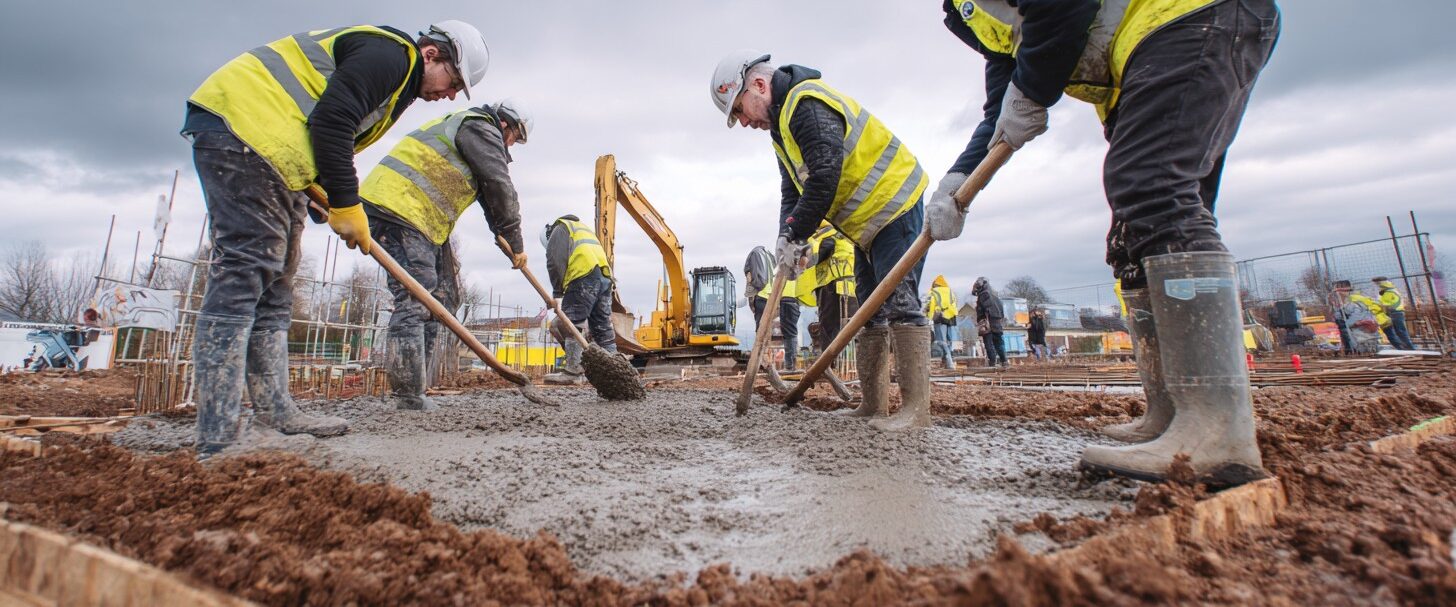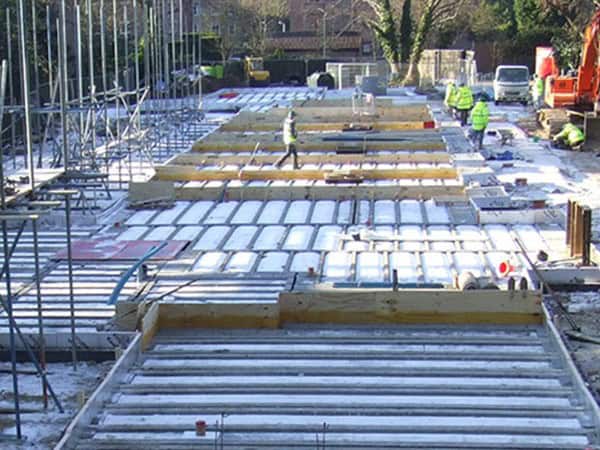
Groundworks by their nature involve significant quantities of excavated material, imported aggregate, and construction products that need to be stored on site during the build. Managing that material safely — and supporting excavations properly throughout — is one of the less visible but most important aspects of running a well-organised groundworks operation. At Globe Civil Engineering, earthworks support and stockpile management are planned from the outset of every project, not managed reactively as the site develops.
Why Stockpile Management Matters More Than It Looks
On a busy residential development, poor stockpile management creates problems that go well beyond untidiness. Incorrectly placed spoil heaps impose loads on adjacent excavations that can compromise trench stability. Material stored too close to plot boundaries or drainage runs blocks access and creates safety hazards for other trades. Stockpiles on soft or waterlogged ground can settle unevenly, making subsequent reclamation difficult and potentially contaminating material that was intended for reuse.
On sites where multiple trades are operating simultaneously — which is the norm on a large new build development — poor material management by the groundworks contractor directly affects everyone else on site. Access routes become congested, plant movements are obstructed, and the programme suffers as a result.
GCE plans stockpile locations as part of our initial site setup, considering ground bearing capacity, proximity to excavations, access routes, drainage, and the phasing of material reuse across the development. This planning happens before the first machine arrives on site, not after the first load of spoil has been tipped.
Excavation Support — Getting the Assessment Right
The ground conditions across the regions GCE works in — East Anglia, the Southeast, and the Midlands — vary considerably. Chalk, sandy soils, heavy clay, and made ground all behave differently when excavated, and all require different approaches to support. An excavation that would stand unsupported in stable chalk for a short period may require immediate shoring in the soft alluvial soils found across parts of Cambridgeshire and Suffolk.
Our site teams assess ground conditions throughout the excavation process. Where conditions require it — trenches of significant depth, excavations adjacent to existing structures or highways, or areas where groundwater is encountered — we specify and install appropriate support systems before work continues. This includes trench boxes and drag boxes for drainage and service trenches, and more substantial sheet piling or engineered shoring solutions where ground conditions or adjacencies demand it.
The decision to support an excavation is never made on the basis of programme pressure. It is made on the basis of ground conditions, the depth and geometry of the excavation, and what is adjacent to it.
Protecting Adjacent Structures and Services
On regeneration sites and infill developments — a growing part of GCE’s workload — excavations frequently take place in close proximity to existing buildings, retaining walls, and buried services. The loads generated by adjacent stockpiles, plant movements, and the excavation itself can all affect the stability of those existing structures.
We carry out pre-commencement assessments of adjacent structures where appropriate, set exclusion zones around sensitive areas, and monitor for movement during excavation and earthworks operations. Where significant settlement risk exists, we install monitoring instrumentation and establish trigger levels that prompt a review of working methods if movement exceeds acceptable limits.
This protects our clients from third-party damage claims and gives the principal contractor confidence that the groundworks operation won’t create liabilities beyond the site boundary.
Reuse of Excavated Material
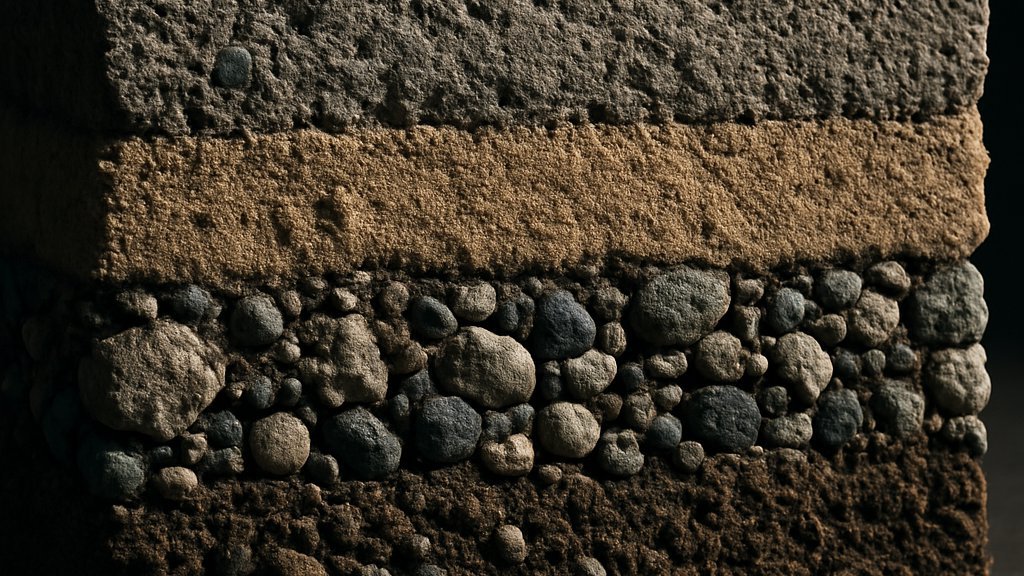
On larger residential developments, excavated material is frequently reused on site — for engineered fill, road sub-base formation, or landscaping. Managing this well requires the material to be classified correctly, stockpiled appropriately to preserve its condition, and tracked through the site so that suitable material ends up in the right location.
GCE manages excavated material with this end use in mind from the point of excavation. Material that can be reused is separated and stored correctly. Material that cannot — contaminated spoil, organic topsoil from formation areas, unsuitable clay — is managed and disposed of appropriately. This reduces imported material costs for the developer and minimises the environmental impact of the groundworks operation.
If you’re planning a development that involves significant earthworks and want to discuss how GCE manages excavation support, stockpile planning, and material reuse, contact the team today.