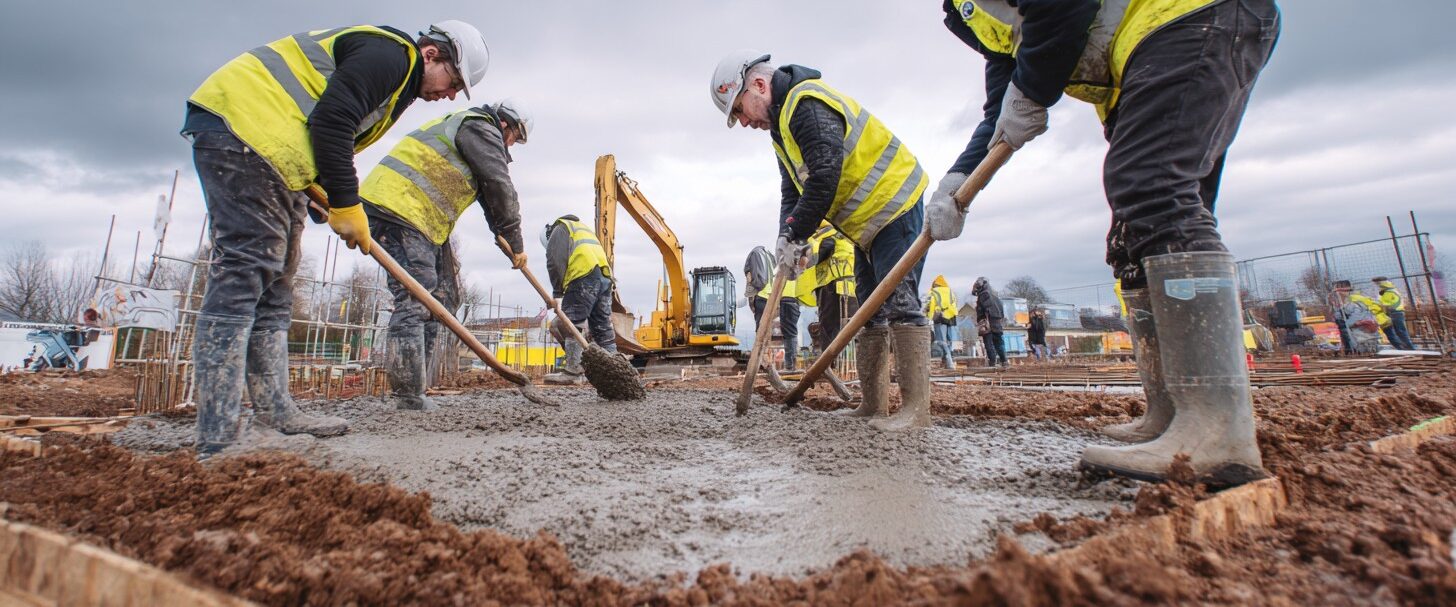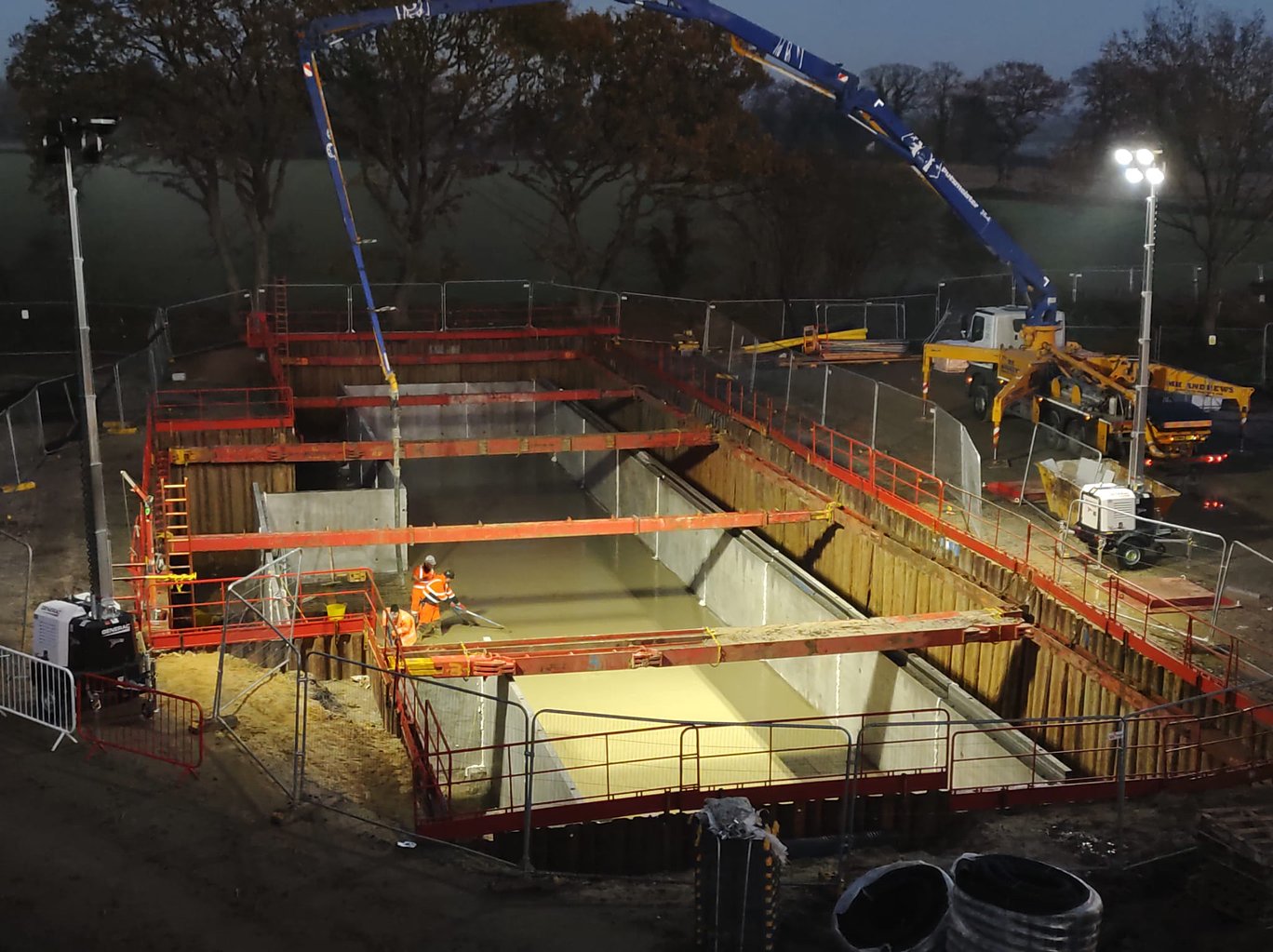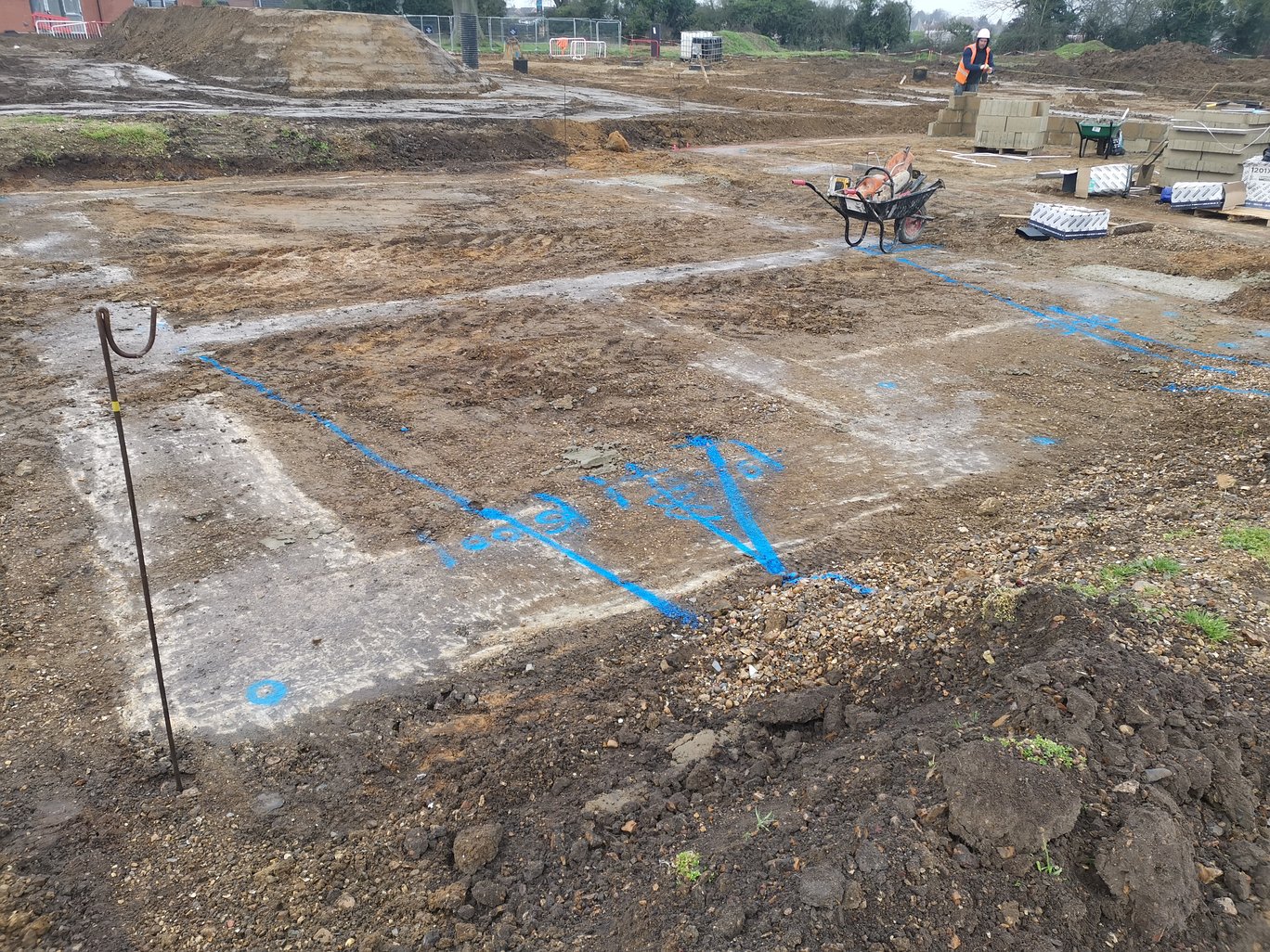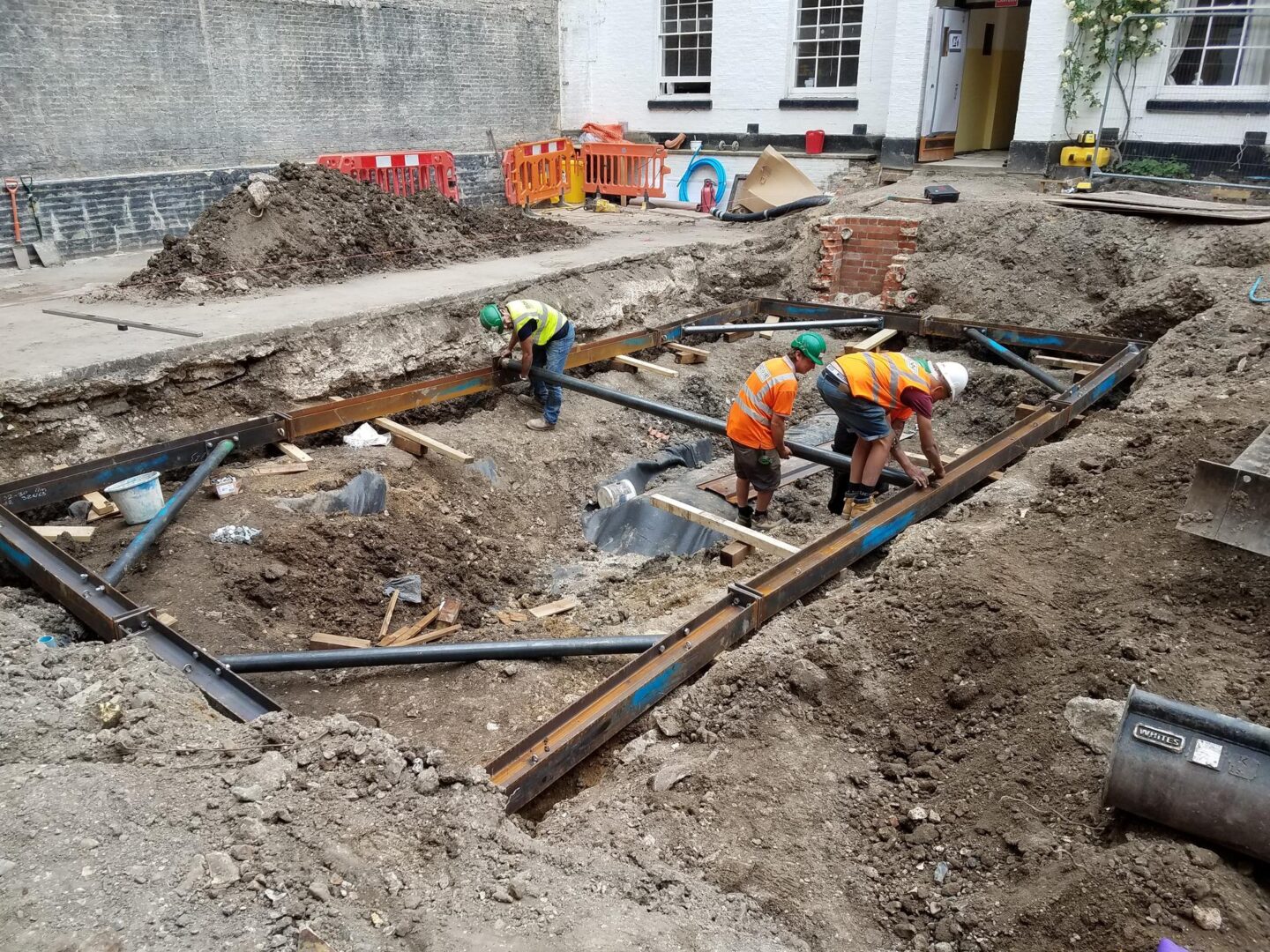
Many projects falter without proper foundations; if you prioritise thorough ground investigation and expert excavation you protect structural integrity and site safety. Ground stability ensures design performance, while poor preparation can lead to unexpected collapses and costly delays. By investing in skilled groundworks you secure long‑term savings and mitigate significant safety risks, safeguarding your project and reputation.
Key Takeaways:
- Provide stable, correctly designed foundations and soil preparation to prevent settlement and structural failure.
- Manage water and drainage to protect substructures, reduce erosion and avoid costly remedial works.
- Ensure regulatory compliance and on‑site safety, optimising project delivery and minimising long‑term maintenance costs.
The Importance of Groundworks
Even mid-project, poor groundworks will manifest as cracks, tilting or service interruptions; differential settlement of 10-25 mm is often enough to damage finishes and cladding. You must plan compaction, drainage and material quality: for example, achieving >95% Proctor density on sub-bases and providing free-draining fills reduce post-construction movement. Projects that ignore this routinely incur expensive underpinning or mitigation later, so you should treat groundworks as an engineered package, not a preparatory afterthought.
Foundations of Stability
When you select a foundation type, match it to soil data: shallow strip or raft foundations typically sit at 0.9-1.5 metres, whereas piled solutions can extend 10-20 metres to reach competent strata. Use site investigation results (CPT/SPT, laboratory CBR) to justify designs; for instance, made ground with bearing <100 kN/m² usually demands piling or engineered fill, while dense sands (200-400 kN/m²) can accept shallower footings with routine drainage provisions.
Weight Distribution and Load-Bearing
As you assign structural loads, convert column and wall reactions into bearing pressures so pad sizes translate into safe ground stress: residential imposed loads often range 1.5-3.0 kN/m², but concentrated column loads can be several hundred kN. Adopt factors of safety and check that peak bearing pressure does not exceed the allowable soil capacity, otherwise you’ll need wider pads, rafts or piles to redistribute the load.
To expand: consider a 500 kN column – if you placed it on a 0.5 m² pad the pressure would be 1,000 kN/m², clearly beyond typical ground strengths; in that case you would increase pad area or switch to piles. You should verify with plate load tests or CPT, apply settlement criteria (total and differential) and use staged construction or controlled preloading where necessary to ensure long-term serviceability.
Common Groundwork Techniques
When you specify methods, you select from piling, strip and raft foundations, soil stabilisation and shoring; piles often reach 10-30 m to bypass weak strata, while rafts spread loads over large areas. For detailed context on sequencing and risk management see The Importance of Groundworks in Construction. Employing the right mix reduces settlement and protects structural integrity.
Excavation and Site Preparation
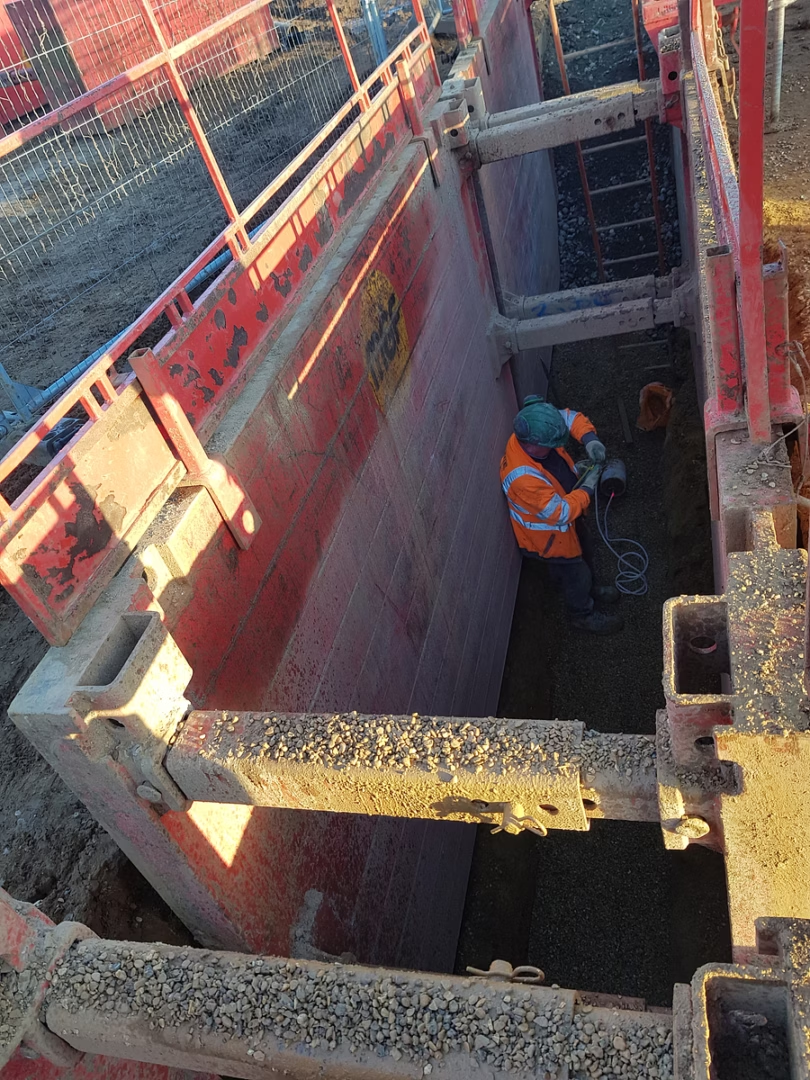
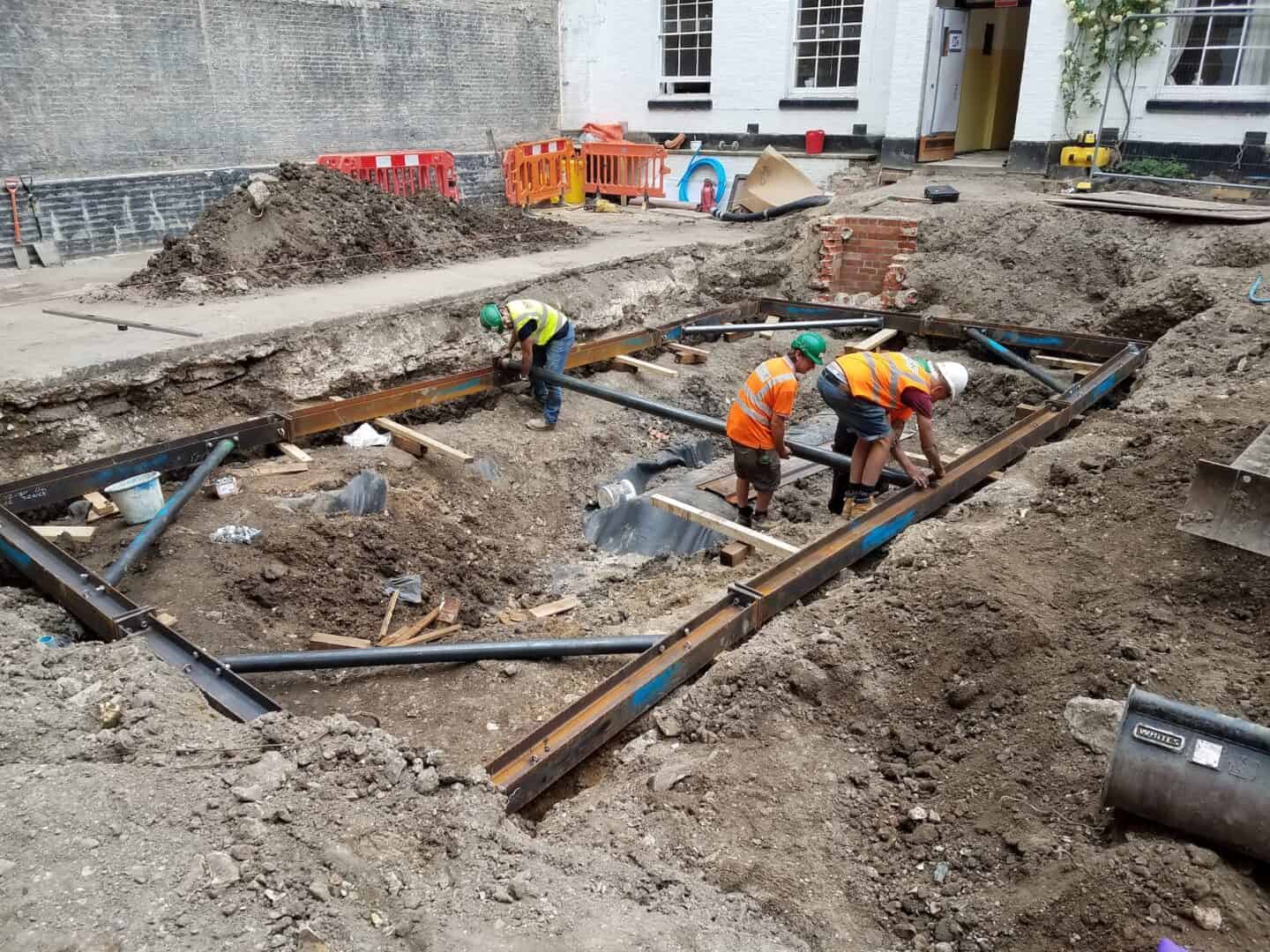
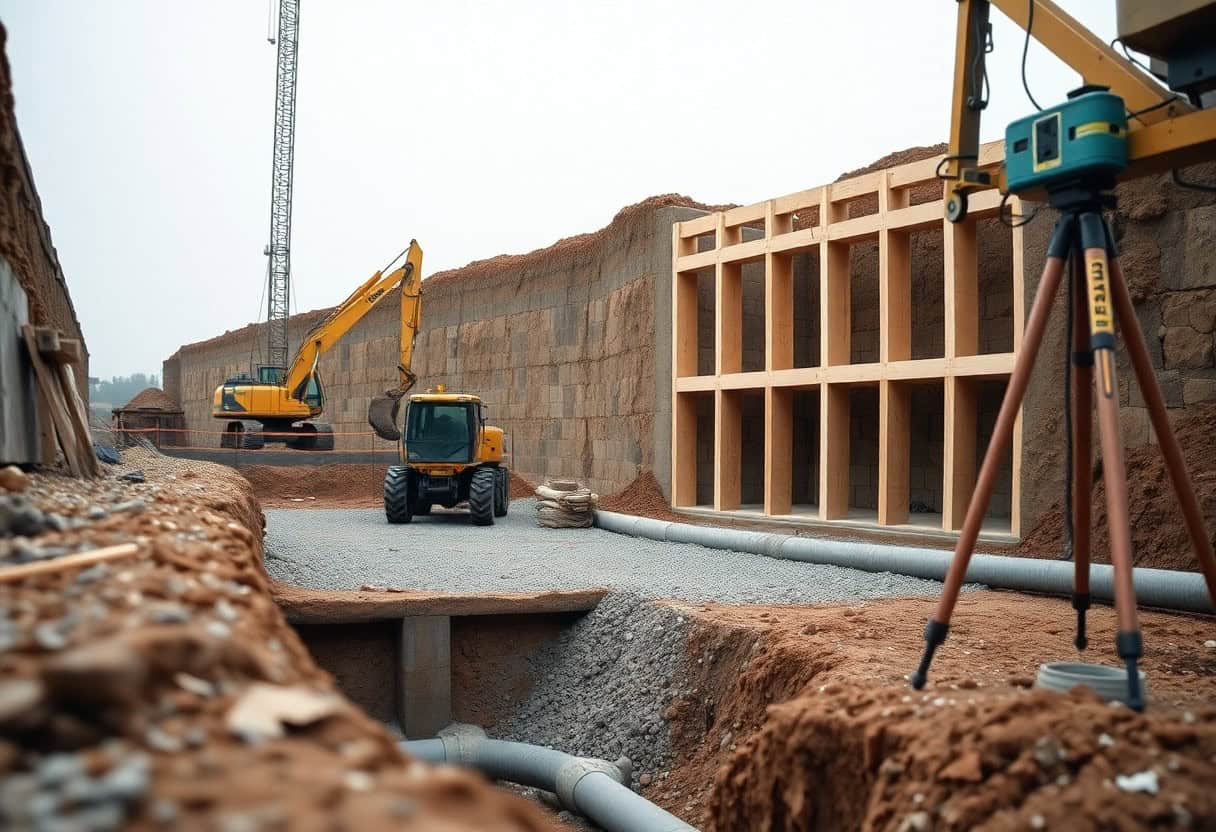
You must set formation levels within tight tolerances-typically ±25 mm-using 360° excavators, dumpers and laser levels. For trenches deeper than 1.2 m provide shoring or battered slopes; sheet piles or hydraulic props protect workers. Soil testing guides whether to import Type 1 fill or carry out stabilisation, and accurate cut-and-fill planning minimises haulage and cost overruns.
Drainage Solutions
You design drains with a mix of perforated land drains, French drains, inspection chambers and attenuation tanks, sizing soakaways from infiltration tests under BRE 365. Adequate gradients and access chambers prevent blockages; failing to manage surface and sub-surface water risks foundation erosion and long-term settlement.
You implement Sustainable Drainage Systems (SuDS) combining permeable paving, swales, and filter drains to reduce runoff and improve water quality; for example, a recent 50‑plot development used a 200 m3 attenuation tank with a controlled outfall to limit discharge to greenfield rates. Regular maintenance-jetting, CCTV surveys and chamber access-keeps systems functional; neglect leads to blocked pipes, rising water tables and costly structural repairs.
Quality Control in Groundworks
Materials and Equipment Standards
You must specify materials to recognised standards: concrete at C25/30 (BS EN 206), reinforcement to Grade B500B, and fill compaction to ≥95% MDD (Modified Proctor, BS 1377). Insist on calibrated plant-daily checks plus service every 250 hours-and GPS machine control with ±15 mm accuracy for setting out. Store aggregates on clean sheeting and separate suspect imports; contaminated or organic fill demands removal or treatment. Auditing suppliers’ test certificates and batch traceability prevents costly rework and foundation failures.
Inspections and Compliance
Daily site inspections combined with weekly QA tests and independent third‑party checks ensure conformity with Building Regulations and BS standards. Use in‑situ density tests (nuclear or sand replacement), CBR for pavement subgrades and concrete test cubes retained for 28 days. Keep a site diary, test certificates and non‑conformance reports, and enforce a hold point before covering until defects are rectified.
Before any critical sequence-excavation to founding level, fill placement, reinforcement fixing or concrete pour-you should require documented sign‑offs: geotechnical verification of strata, as‑built set‑out checked every 25 m or at all corners, and density testing typically at a frequency of one test per 250-500 m² or after each 300-500 mm lift. Independent inspectors must have authority to issue stop‑work notices; for example, on a medium‑size housing scheme an external tester identified peat at 1.2 m depth, prompting removal and replacement with engineered fill, averting long‑term differential settlement and significant remedial costs.
The Impact of Poor Groundworks
When groundworks are neglected, the consequences cascade through your project: you face unstable foundations, persistent water ingress and potential enforcement notices. For practical guidance on proper pre-construction groundwork practices see Why Are Groundwork Services Important Before Starting a Construction Project which outlines checks, surveys and mitigation steps you should follow.
Structural Failures and Risks
Poor compaction, incorrect fill and inadequate drainage frequently cause differential settlement, so you can observe hairline cracks progressing to major structural damage; movement of as little as 25mm can necessitate underpinning. For a small building underpinning often costs around £8,000-£30,000, and defective groundworks increase the likelihood of long-term instability and safety interventions.
Cost Implications and Project Delays
Rework and remediation rapidly inflate budgets: you may incur direct repair bills of £10,000-£100,000 on moderate to severe ground issues. Programme impact is tangible, causing delays of weeks to months, plus exposure to liquidated damages or contractual penalties that can run to thousands per week, affecting cashflow and stakeholder confidence.
Investigations you commission-trial pits, boreholes and geotechnical reports-typically cost between £1,000-£5,000, but skipping them often forces expensive retrofits later. For example, installing piled foundations or deep stabilisation as a remedial measure can add roughly 10-25% of the civil works budget, disrupt follow-on trades and prolong site occupancy.
Best Practices for Quality Groundworks
Prioritise thorough site investigation, adherence to design and materials standards and a clear QA regime: insist on C25/30 concrete (BS EN 206), routine Proctor/CBR and in situ density testing, and concrete cube testing at 7 and 28 days. Plan drainage and dewatering to prevent long‑term settlement, schedule hold points at excavation, blinding and pre‑pour, and maintain daily site inspections and recorded defect rectification to avoid expensive remedial works.
Skilled Workforce and Training
Employ certificated operatives and supervisors: require CSCS or equivalent cards and site managers with SMSTS (5‑day) or similar training, plus site mentoring and apprenticeships to build skills. Aim for a supervision ratio of about 1 supervisor per 10-15 operatives, mandate 8-16 hours of CPD yearly, and run hands‑on training for compaction, reinforcement detailing and waterproofing to reduce rework and health‑and‑safety incidents.
Effective Project Management
Develop a detailed groundworks programme with defined milestones and hold points (investigation, excavation, blinding, reinforcement, pre‑pour) and enforce sign‑offs before each stage. Use weekly progress meetings, a site diary, and a testing schedule tied to milestones so you capture issues early; require pre‑pour inspections and documented QA to prevent delays and hidden defects.
Allocate contingency-typically 5-10% of the groundworks budget-for unforeseen ground conditions, adopt digital record‑keeping (BIM or site management apps) for test results and photos, and set decision turnaround targets (for example, 24-48 hours) for variation approvals. This combination of contingency, rapid decisions and traceable records minimises downtime and keeps remedial costs under control.
Innovations in Groundworks Technology
Sensors, BIM integration and machine-control systems now let you reduce errors and shorten programmes; for example, GPS-guided grading can cut rework by up to 30% on large earthworks. Contractors increasingly deploy 3D modelling to validate borehole data against as-built conditions, giving you faster decisions and lower risk of settlement.
Advanced Machinery and Tools
Autonomous and telematics-enabled plant improve accuracy and efficiency: GPS machine control routinely achieves grading tolerances of 10-20 mm, while vibration-reducing piling rigs limit noise on urban sites. You can use robotic trenchers and tracked compactors to speed cycles and reduce manual exposure to hazardous tasks.
- GPS/RTK machine control for precise excavation
- 3D laser scanning for verification and clash detection
- Telematics for real-time plant performance and emissions data
- Silent piling rigs to minimise neighbourhood disturbance
- Autonomous compactors to reduce labour and improve consistency
Equipment vs Benefit
| Equipment | Benefit |
|---|---|
| GPS machine control | Faster grading; rework reduced by up to 30% |
| 3D laser scanners | Immediate as-built checks; fewer surprises at build stage |
| Telematics | Lower fuel use and tracked maintenance, cutting costs and emissions |
Sustainable Practices
You can lower embodied carbon by specifying low-carbon cements (reductions of around 20-40%), using recycled aggregates and reusing excavated material on site; many UK projects report waste-haulage reductions of over 60% when materials are retained and processed in situ, directly reducing costs and vehicle emissions.
Adopt SuDS, permeable paving and retention basins to manage runoff and protect structures from groundwater pressure; additionally, measure whole-life carbon via tools aligned with PAS 2080 or BREEAM so you can set targets, track progress and demonstrate that your groundworks both mitigate environmental impact and reduce long-term maintenance liabilities.
Summing up
Following this, you should understand that quality groundworks form the stable base that ensures structural integrity, prevents costly delays and repairs, optimises load distribution and drainage, and supports regulatory compliance; investing in thorough site surveys, competent contractors and appropriate materials protects your schedule, budget and the long‑term value of your asset.