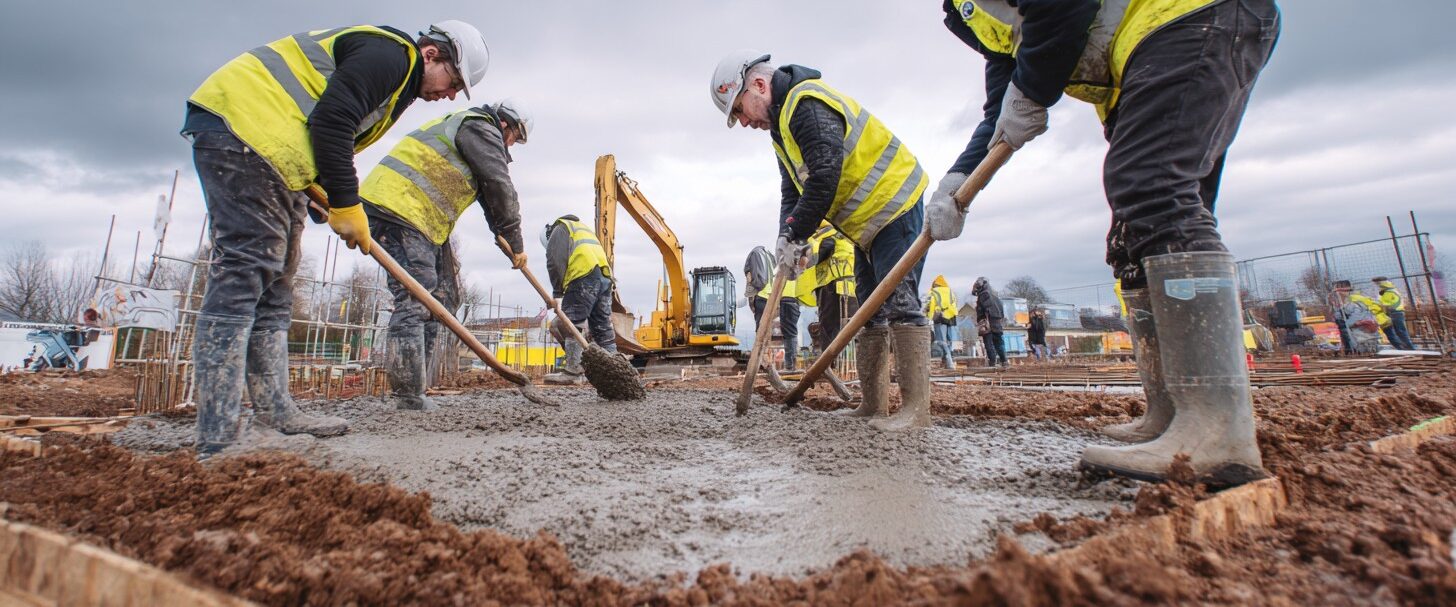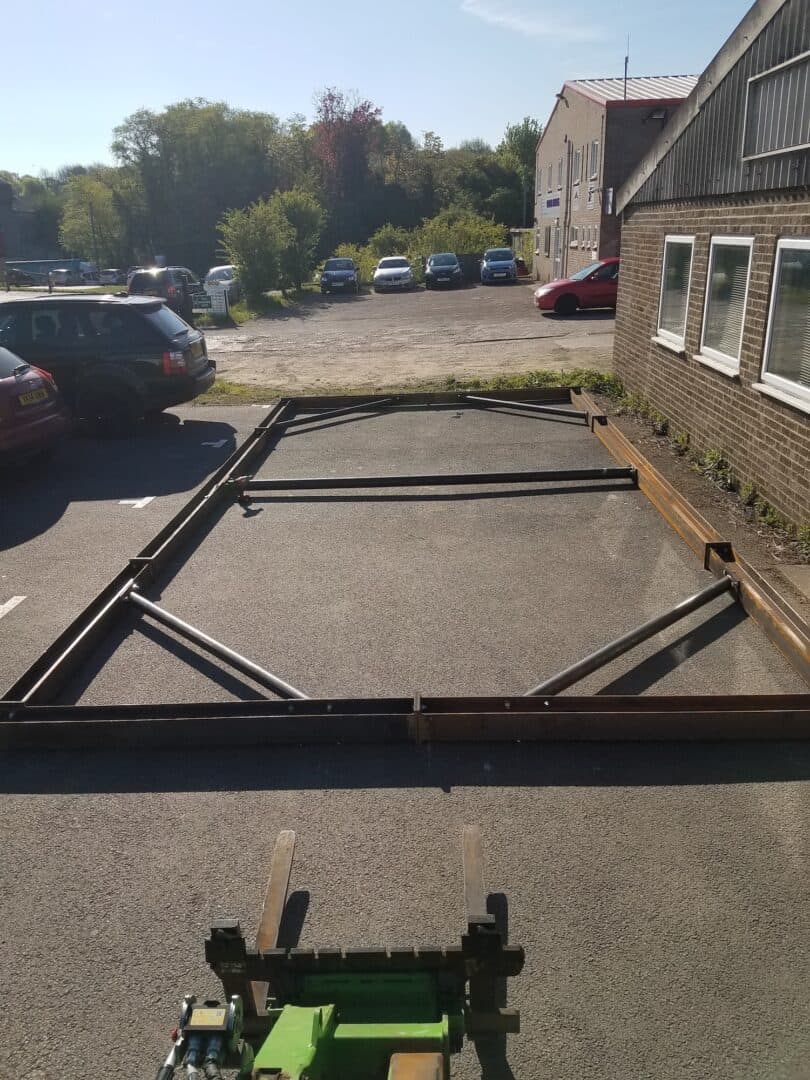
Temporary works are one of the most consistently underestimated elements of a civil engineering programme. They’re not the permanent infrastructure that a development is built around — the roads, the drainage, the formed plots — but they’re what makes it possible to build that permanent infrastructure safely and to programme. Excavation support, temporary drainage diversions, haul roads, shoring to adjacent structures — without these elements being designed, coordinated, and managed correctly, the permanent works can’t proceed safely.
For developers and principal contractors, temporary works rarely feature prominently in procurement discussions. They should. The way a civil engineering contractor approaches temporary works design and coordination is a reliable indicator of how they approach the programme as a whole — and the consequences of temporary works failures are among the most serious that can occur on a construction site.
What Temporary Works Involves on a Civil Engineering Package
On a new build residential development, temporary works typically covers several categories of activity. Excavation support — trench sheeting, hydraulic shores, or engineered sheet pile systems depending on the depth and ground conditions — is required wherever drainage or service trenches are excavated to a depth where the sides can’t be left unsupported. Temporary drainage arrangements are required during the construction programme to manage groundwater and surface water before the permanent drainage system is commissioned. Haul road construction maintains site access throughout the programme without damaging the permanent road formation beneath.
On sites adjacent to existing structures — neighbouring properties, live roads, or existing services — temporary works may also include monitoring arrangements to detect movement in those structures as excavation proceeds nearby. In East Anglia, where chalk and clay ground conditions can behave differently under excavation, understanding how the ground will respond to nearby construction activity is an important part of the temporary works design.
CDM 2015 and the Principal Contractor’s Obligations
Under CDM 2015, temporary works on a construction site sit within the principal contractor’s health and safety responsibilities. The principal contractor is required to ensure that temporary works are designed by a competent person, that the design is reviewed and approved before the temporary works are constructed, and that the temporary works are inspected and maintained throughout their operational life on site.
In practice, on a civil engineering package, much of the temporary works design and management sits with the civil engineering subcontractor — who is closest to the excavation work and best placed to assess what temporary support is required. But the principal contractor retains overall responsibility, and a civil engineering subcontractor whose approach to temporary works design and documentation is inadequate creates a CDM compliance risk for the principal contractor as well as a safety risk on site.
Globe Civil Engineering produces temporary works designs as a standard part of the groundworks programme — not in response to an instruction from the principal contractor, but as a proactive element of the programme planning process. Method statements covering temporary works arrangements are produced before work begins, reviewed against the specific conditions on site, and updated as the programme progresses and site conditions evolve.
Excavation Support in East Anglian Ground Conditions
The chalk and clay ground conditions characteristic of East Anglia present specific challenges for excavation support design. Clay soils can behave differently depending on their moisture content — firm in dry conditions, but significantly less stable when saturated. Chalk can be competent at depth but fractured and unpredictable near the surface. Selecting the right excavation support system for the specific conditions encountered on site requires experience of how those conditions behave in practice, not just a theoretical understanding of the soil classifications.
Globe Civil Engineering’s plant selection and temporary works approach on East Anglian sites reflects that experience. Where the ground conditions suggest that trench sides will remain stable without support at a particular depth, that judgement is based on familiarity with how similar conditions have behaved on previous projects in the region. Where the conditions suggest that support is required, the appropriate system is specified and installed before excavation reaches the depth at which unsupported sides become unsafe.
Temporary Works and Programme Management
Temporary works have a direct impact on programme. Haul roads need to be in place before construction traffic can access the site. Excavation support needs to be installed before trenches can be excavated to the required depth. Temporary drainage needs to be operational before groundwater management becomes a constraint on the programme.
Planning the temporary works programme in advance — identifying what’s required, when it needs to be in place, and how long it will take to install — is part of the overall civil engineering programme management process at Globe Civil Engineering. Temporary works aren’t treated as an afterthought to be addressed when the need becomes apparent. They’re planned as an integral part of the programme, with the installation sequence coordinated with the permanent works programme so that temporary measures are in place when they’re needed and removed when they’re no longer required.
The removal of temporary works — decommissioning excavation support, removing temporary drainage, reinstating haul roads — is as important to programme management as the installation. Temporary works that are left in place beyond their useful life create obstructions and hazards. Temporary works that are removed prematurely leave the permanent works vulnerable. Managing that balance throughout the programme is part of what a civil engineering contractor with genuine temporary works experience brings to a project.